The world of wearable technology is a vibrant ecosystem, brimming with devices promising to unlock our healthiest selves. For years, my wrist has been adorned with a familiar, feature-rich smartwatch. It’s been a capable companion, offering notifications, quick health checks, and a general overview of my daily activity. Yet, the persistent buzz around a particular type of wearable—one less focused on digital notifications and more on the intricate science of human physiology—had piqued my curiosity. This is the story of my three-week experiment, switching from my established smartwatch to a performance-centric band, and the unexpected revelations it brought.
The Allure of the Screenless Approach
My previous device was a hub of information, a constant stream of alerts and glanceable data. The transition to a device that offered no screen was, admittedly, jarring at first. The absence of a quick time check, an immediate heart rate reading between sets, or a glance at my pace mid-run meant a shift in how I interacted with my fitness data. Instead of real-time feedback, I learned to trust the background collection, to simply do my workouts and then dive into the data later. This screenless philosophy, while initially a hurdle, quickly became its own form of liberation. It encouraged a more present approach to exercise, allowing me to focus on the physical act itself without the distraction of digital readouts.
Unpacking the Hardware: Comfort and Enduring Power
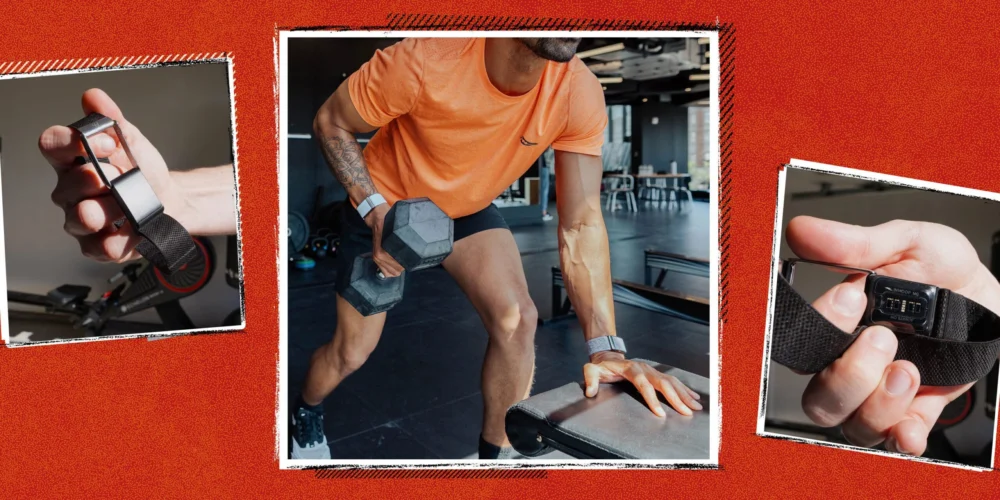
The hardware itself is designed for subtlety. The sensor housing is streamlined, and the fabric strap, my initial choice, proved remarkably comfortable and easily adjustable. It sat flush against my skin, avoiding the snagging often associated with bulkier devices. Pairing with my smartphone was seamless, and connectivity remained robust throughout the testing period.

One of the most striking differences was the battery life. While my previous device required almost daily charging, this new band offered a remarkable 14 days of power. This extended endurance was a game-changer. Mid-week top-ups became a relic of the past, freeing me from the constant anxiety of a dying battery. The included wireless charging puck, which conveniently attaches to the band, meant I could power up without even removing the device. This effortless power management allowed me to truly live with the device, forgetting it was even there until I needed its insights.
There was one minor quirk: the haptic alarm. While designed to be silenced with a simple tap, I found it often required several attempts to deactivate each morning. It’s a small detail, but in the context of a device designed for seamless integration, it stood out as an area for potential refinement.
Diving Deep: The App Ecosystem and Personalized Guidance
The heart of this wearable experience lies within its accompanying app. Upon opening it, I was immediately presented with three core pillars of my well-being: Sleep, Recovery, and Strain. Tapping into any of these metrics unlocked a wealth of detailed charts and historical data. The Recovery section, for instance, offered granular insights into my heart rate variability (HRV), resting heart rate, and respiratory rate trends.

Initially, the sheer volume of data felt a little overwhelming. My previous device’s “rings” offered a simple, easily digestible visual. This new platform, however, presented a more complex, yet ultimately richer, tapestry of my physiological state. Beyond the headline metrics, I found myself navigating views on Healthspan, Stress, and more. The app encouraged active participation through features like daily journal entries, personalized sleep and strain notifications, and advanced stress tracking.
Unlocking Your “Whoop Age” and the Power of Healthspan
A particularly intriguing feature was the "Healthspan" metric, which calculates your "Whoop Age" and "Pace of Aging." This feature requires several weeks of continuous data to provide a comprehensive assessment, meaning the full picture doesn’t emerge overnight. When it finally unlocked for me, it revealed a "Whoop Age" several years older than my chronological age, with a slightly above-average Pace of Aging. This wasn’t entirely surprising, given my current life stage as a busy parent with inconsistent sleep patterns and a less active routine than I’d prefer.
The beauty of this metric lies in its responsiveness. A few nights of quality sleep and consistent workouts could positively influence my Healthspan trend. Conversely, a period of late nights and skipped gym sessions would see it shift in the opposite direction. This immediate, data-driven feedback served as a powerful, albeit occasionally pressure-inducing, motivator. It underscored how my daily choices directly impacted my long-term physiological age, encouraging more mindful decisions about my health.

This was further illuminated by conversations with colleagues who are long-time users. Their experiences mirrored mine, highlighting how lifestyle choices rapidly translate into tangible data on the platform. Whether you’re already in peak condition or working your way back, the insights are consistent and actionable.
Navigating the Data: From Raw Numbers to Actionable Insights
Despite the initial data density, the app’s interface is surprisingly intuitive. The Recovery metric, color-coded for clarity, takes center stage, flanked by Sleep Performance and Strain. Instead of simply acknowledging a completed activity (like closing a ring), the app offered nudges to either push harder or prioritize rest, depending on my physiological state.
Expanding on these core metrics revealed a dashboard with key vitals like resting heart rate and step count. The "Daily Outlook" card, powered by an AI-driven coach, provided a concise summary of my key metrics and offered personalized recommendations. For instance, it might suggest a brisk walk or a high-intensity lifting session, tailored to my current recovery and strain levels. The ability to ask the coach basic questions about improving sleep or increasing daily strain yielded general, yet sound, advice.

The Foundation of Training: Understanding Strain and Recovery
The impact of my workouts on my body was brought into sharp focus through the Strain metric. This score quantifies the physiological stress placed upon my body during activity. Higher exertion and prolonged elevated heart rates translate to a higher Strain score, which, in turn, influences my Recovery score the following morning.
This feedback loop proved invaluable. On days when I was admittedly taking it easy, the platform gently suggested that a moderate activity could help me reach my optimal strain range and ultimately improve my fitness. This proactive guidance, rather than reactive data, felt like a true partnership in my fitness journey.
The Subscription Model: A Different Approach to Ownership
Unlike traditional wearables, this performance band operates on a subscription model. You don’t purchase the hardware outright; rather, it’s provided as part of a membership. This means that if you were to discontinue your subscription, the device would cease to collect and analyze biometric data, rendering it largely inert for ongoing insights. While you retain access to your historical data, the real-time trends and personalized recommendations vanish.

The subscription tiers offer different levels of access and features:
- Whoop One: The entry-level option, offering the standard band with a shorter battery life, wired charging, and the core Sleep, Recovery, and Strain metrics. This is ideal for those new to in-depth physiological tracking.
- Whoop Peak: This tier extends battery life to 14 days, includes a wireless charger, and unlocks advanced features like Healthspan, stress tracking, and a consolidated Health Monitor view.
- Whoop Life: The premium tier, including the specialized MG hardware, grants access to all Peak features plus the Heart Screener with ECG and blood pressure insights (requiring calibration).
Coming from a one-time purchase smartwatch, the annual subscription can seem like a significant investment. However, the depth of data and the focus on long-term physiological trends offer a distinct value proposition for those seeking a more profound understanding of their body.
The Verdict: A Deeper Understanding for the Dedicated Enthusiast
After three weeks, the transition from my feature-rich smartwatch to this performance-focused wearable has been a revelation. The hardware is unobtrusive, comfortable, and boasts exceptional battery life, freeing me from charging anxieties. While the initial app experience requires a degree of active engagement and a willingness to explore the data, the insights gained are unparalleled.

If your fitness goals are primarily met by closing activity rings and receiving occasional alerts, your current smartwatch might suffice. However, for those who crave a deeper understanding of how sleep, stress, and training intertwine, and how these factors influence your body over time, this performance band offers a clarity that is truly transformative. It’s not just about tracking activity; it’s about understanding your body’s response and making informed decisions that foster long-term health and peak performance. This shift in perspective has been more valuable than any notification I’ve ever received.