The quest for a healthier, stronger body often begins with a burst of enthusiasm – that exhilarating "first rep" in the gym, the inaugural run, or the decision to eat better. But true, enduring fitness isn’t just about starting; it’s about building a sustainable, integrated lifestyle that supports your physical and mental well-being for the long haul. Many embark on this journey with intense zeal, only to find themselves adrift when initial motivation wanes or obstacles arise.
This article isn’t about quick fixes or fleeting trends. It’s a comprehensive guide for beginners and intermediate fitness enthusiasts who are ready to move beyond temporary gains and cultivate a robust, resilient foundation for lifelong vitality. We’ll explore a holistic approach to fitness, addressing not just the physical aspects of exercise and nutrition, but also the critical role of recovery and mental fortitude. By understanding and implementing these core principles, you can transform your fitness journey into an empowering path toward a more vibrant, energetic, and fulfilling life. Prepare to unlock your potential, build sustainable habits, and discover the lasting joy of a body and mind working in harmony.
The Pillars of Enduring Fitness
Achieving sustainable fitness is akin to constructing a sturdy building. It requires more than just one strong wall; it needs a solid foundation and multiple interconnected pillars. Neglecting any one of these can compromise the entire structure. For enduring fitness, these pillars are:
- Strategic Movement: Engaging your body effectively and intelligently.
- Nourishing Your Engine: Fueling your body with optimal nutrition.
- Rest and Rejuvenation: Allowing your body to repair and grow.
- The Mental Game: Cultivating a resilient and positive mindset.
Let’s delve into each pillar, providing actionable insights to help you build your personal fortress of health.
Pillar 1: Strategic Movement – Your Body in Motion
Movement is fundamental to human health. Yet, in our modern world, it’s often sidelined. Strategic movement means more than just "working out"; it’s about moving your body with purpose, understanding its capabilities, and progressively challenging it.
Understanding Your "Why" for Movement
Before you even step into a gym or hit the pavement, ask yourself: Why am I doing this? Your "why" is your deepest motivator, something that goes beyond superficial goals like "lose weight" or "look good."
- Beyond Aesthetics: While looking good can be a motivator, deeper reasons foster longevity. Think about improved energy levels, better sleep, enhanced mental clarity, reduced risk of chronic diseases, or the ability to play with your children or grandchildren without limitation.
- Finding Enjoyable Activities: If your workout feels like a chore, it’s unlikely to stick. Experiment!
- Real-life example: If traditional gym workouts bore you, try hiking, dancing, swimming, martial arts, cycling, or team sports. The "best" workout is the one you consistently do and genuinely enjoy. A beginner might start with brisk walking and gradually incorporate bodyweight exercises, while an intermediate might explore new lifting techniques or join a running club.
Crafting Your Workout Routine
A well-rounded routine should encompass various forms of exercise to promote holistic development.
- Importance of Variety:
- Strength Training: Builds muscle, strengthens bones, boosts metabolism. Essential for everyone, regardless of age or gender.
- Cardiovascular Exercise: Improves heart health, endurance, and stamina.
- Flexibility & Mobility: Enhances range of motion, prevents injury, and improves posture.
- Progressive Overload: The Engine of Progress: This is the principle of continually increasing the demands on your body to stimulate adaptation and growth. Without it, your progress will plateau.
- For Strength: Gradually increase weight, reps, sets, or decrease rest time.
- For Cardio: Increase duration, intensity, or distance.
- For Flexibility: Hold stretches longer, deepen stretches.
- Sample Weekly Structure (Adaptable):
- Beginner:
- 2-3 days: Full-body strength (e.g., squats, push-ups, rows, planks). Focus on bodyweight or light dumbbells.
- 2-3 days: Moderate cardio (e.g., brisk walking, light jogging, cycling) for 20-30 minutes.
- Daily: 10-15 minutes of stretching/mobility.
- Intermediate:
- 3-4 days: Split strength training (e.g., Upper/Lower split, Push/Pull/Legs). Increase weight/intensity.
- 2-3 days: Varied cardio (e.g., HIIT, longer steady-state runs, swimming).
- 2-3 days: Dedicated flexibility/mobility sessions (e.g., yoga, dynamic stretching).
- Beginner:
- Practical Tip: The 10-Minute Rule. Can’t find time for a full workout? Commit to just 10 minutes. Often, once you start, you’ll find the motivation to continue for longer. Even 10 minutes of movement is infinitely better than zero.
Mastering Form Over Weight
This cannot be stressed enough, especially for beginners and intermediate lifters. Poor form is the fastest route to injury and ineffective workouts.
- Injury Prevention and Maximizing Effectiveness: Correct form ensures you’re targeting the intended muscles and moving safely.
- Real-life example: The Squat. Instead of immediately loading a barbell, master the bodyweight squat. Focus on:
- Feet shoulder-width apart, toes slightly out.
- Bracing your core.
- Hips going back and down as if sitting in a chair.
- Knees tracking over your toes (not collapsing inward).
- Maintaining a neutral spine.
- Practice in front of a mirror or record yourself. If you’re unsure, invest in a session with a certified personal trainer.
Listen to Your Body: Intuitive Movement
Your body provides constant feedback. Learning to interpret it is crucial for long-term success.
- Rest Days: Essential for muscle repair and growth. Don’t skip them!
- Active Recovery: Light activities like walking, gentle stretching, or foam rolling can aid recovery by increasing blood flow without stressing the muscles.
- Avoiding Burnout: Pushing too hard, too often, leads to fatigue, injury, and mental exhaustion. Some days, a lighter workout or a complete rest is what your body truly needs. This is especially important for intermediate enthusiasts who might feel pressure to constantly intensify their training.
Pillar 2: Nourishing Your Engine – Fuel for Performance and Life
You wouldn’t put low-grade fuel into a high-performance vehicle. Your body is the most sophisticated machine you own, and it demands quality fuel. Nutrition isn’t about deprivation; it’s about intelligent choices that support your energy, recovery, and overall health.
The Macro Blueprint: Protein, Carbs, Fats
These three macronutrients are the building blocks of your diet, each playing a vital role.
- Protein:
- Why it’s crucial: Essential for muscle repair and growth, hormone production, and enzyme function. It also promotes satiety, helping you feel fuller for longer, which can be beneficial for managing weight.
- Sources: Lean meats, poultry, fish, eggs, dairy, legumes, tofu, tempeh.
- Carbohydrates:
- Why they’re crucial: Your body’s primary energy source. They fuel your workouts and brain function.
- Sources: Whole grains (oats, brown rice, quinoa), fruits, vegetables, potatoes. Prioritize complex carbohydrates for sustained energy.
- Fats:
- Why they’re crucial: Essential for hormone production, nutrient absorption, and brain health. They also provide concentrated energy.
- Sources: Avocados, nuts, seeds, olive oil, fatty fish (salmon). Focus on healthy, unsaturated fats.
- Actionable Advice: The Balanced Plate: Aim for a plate that roughly consists of:
- 1/2 non-starchy vegetables: For vitamins, minerals, and fiber.
- 1/4 lean protein: For muscle repair and satiety.
- 1/4 complex carbohydrates: For sustained energy.
- Include a small amount of healthy fats with each meal.
Hydration: The Often-Overlooked Superpower
Water is critical for virtually every bodily function, yet many people are chronically dehydrated.
- Importance: Affects energy levels, cognitive function, digestion, temperature regulation, and joint lubrication. Even mild dehydration can significantly impair athletic performance and recovery.
- Practical Tip: The Water Bottle Habit. Keep a reusable water bottle with you throughout the day and sip regularly. Aim for at least 2-3 liters (8-12 cups) daily, more if you’re active or in a hot environment. Add a squeeze of lemon or cucumber for flavor if plain water isn’t appealing.
Whole Foods First: Prioritizing Nutrient Density
The foundation of a healthy diet should always be whole, unprocessed foods.
- Minimizing Processed Foods: These often contain excessive sugar, unhealthy fats, and artificial ingredients that offer little nutritional value and can hinder your fitness goals.
- Meal Prepping for Success: Dedicate a few hours each week to planning and preparing meals. This reduces decision fatigue, ensures you have healthy options readily available, and prevents impulsive unhealthy choices when you’re hungry and short on time.
- Real-life example: Cook a large batch of chicken breast, roast a tray of vegetables, and prepare a pot of quinoa or brown rice on Sunday. These components can be mixed and matched for quick, nutritious meals throughout the week.
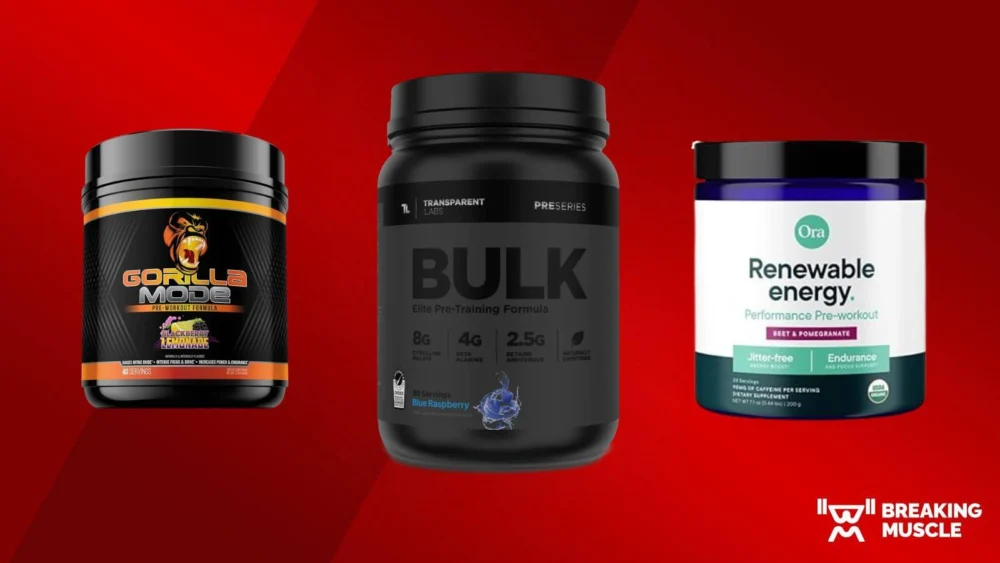
The Role of Thoughtful Supplementation (General Guidance)
Supplements are precisely what their name implies: supplementary. They are not a replacement for a sound diet but can fill nutritional gaps.
- "Food First" Philosophy: Always prioritize getting your nutrients from whole foods.
- When Supplements Might Be Considered:
- Specific Deficiencies: If a blood test reveals a vitamin D or iron deficiency, for example, a supplement might be warranted under medical supervision.
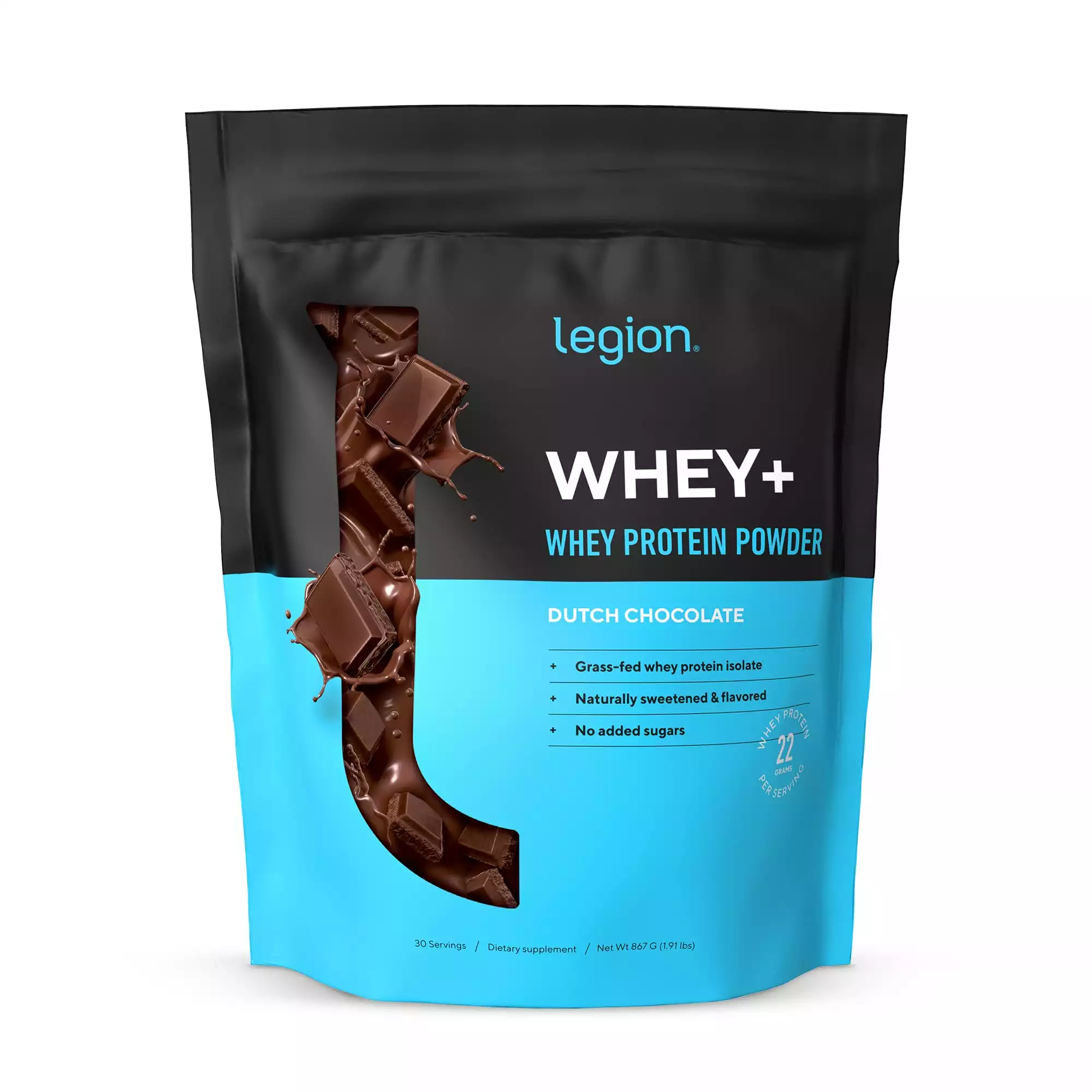
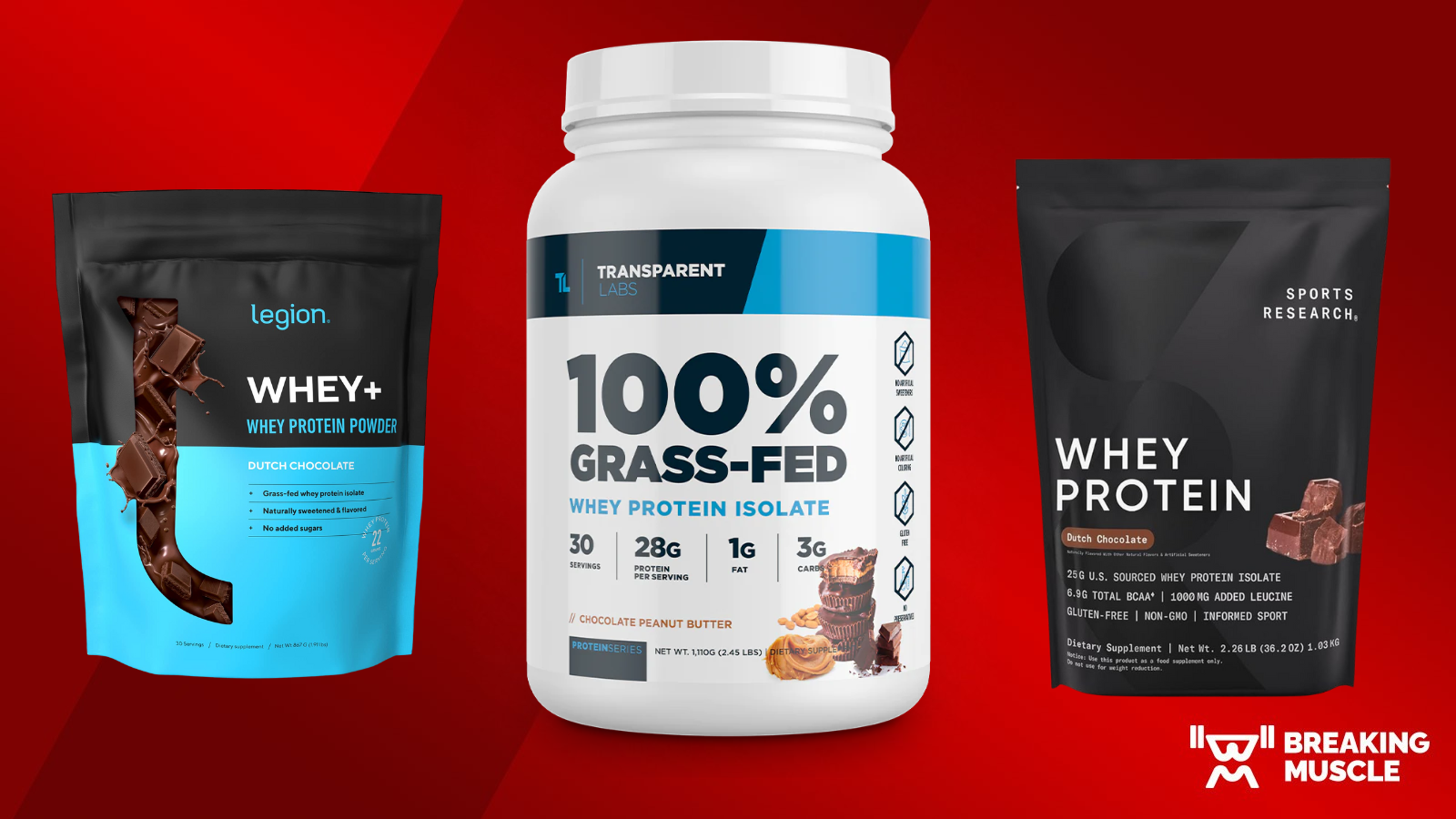
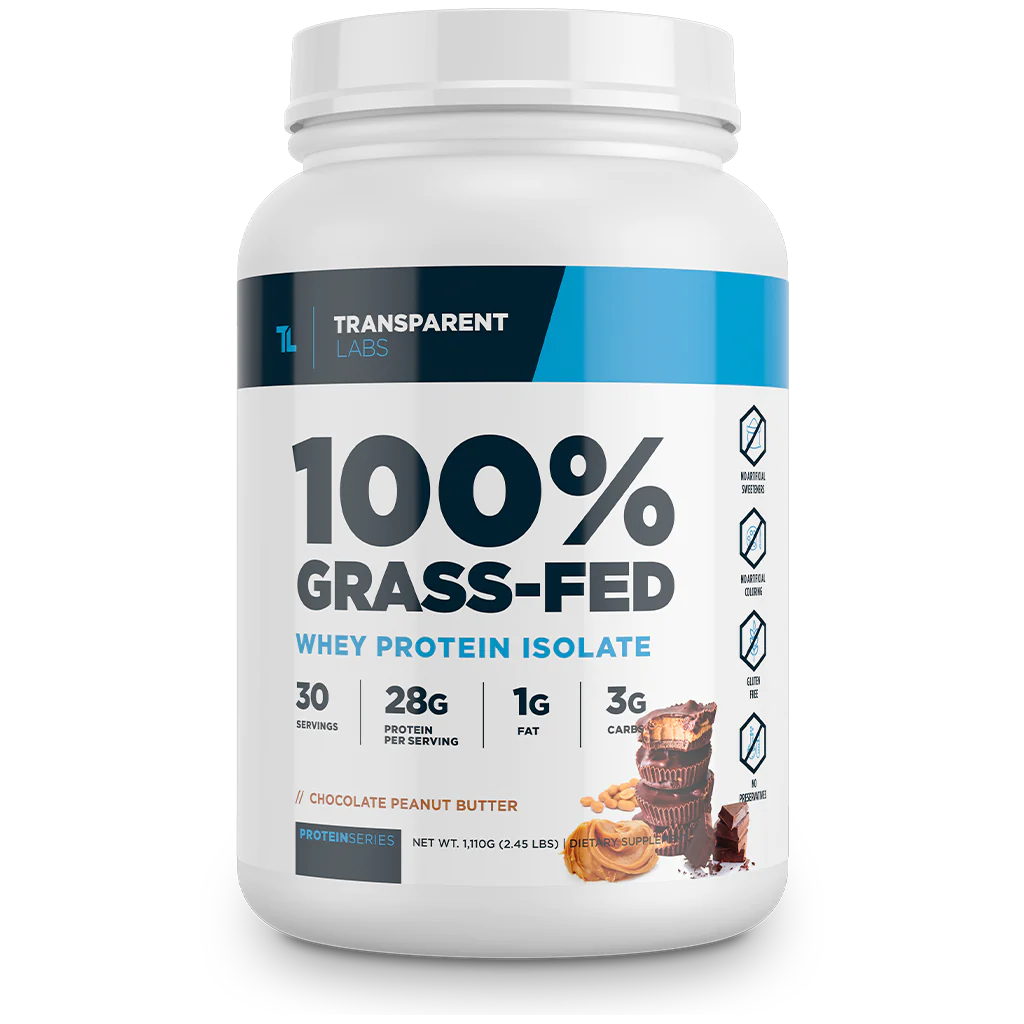
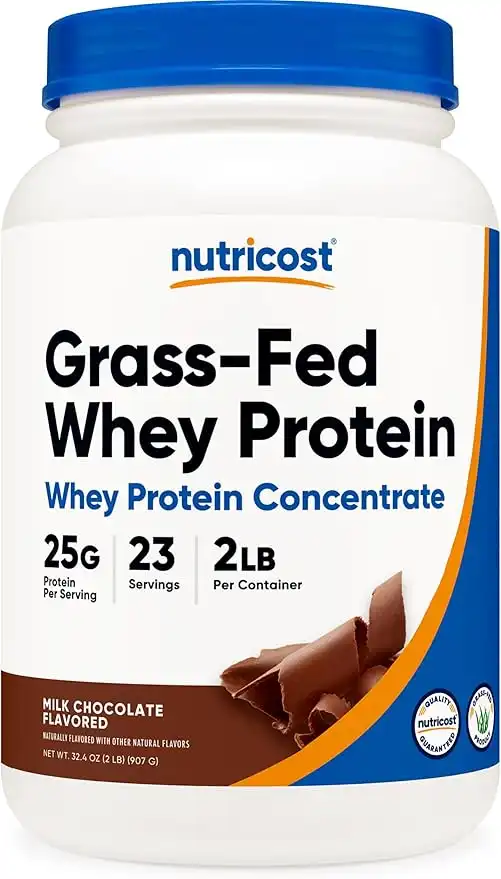
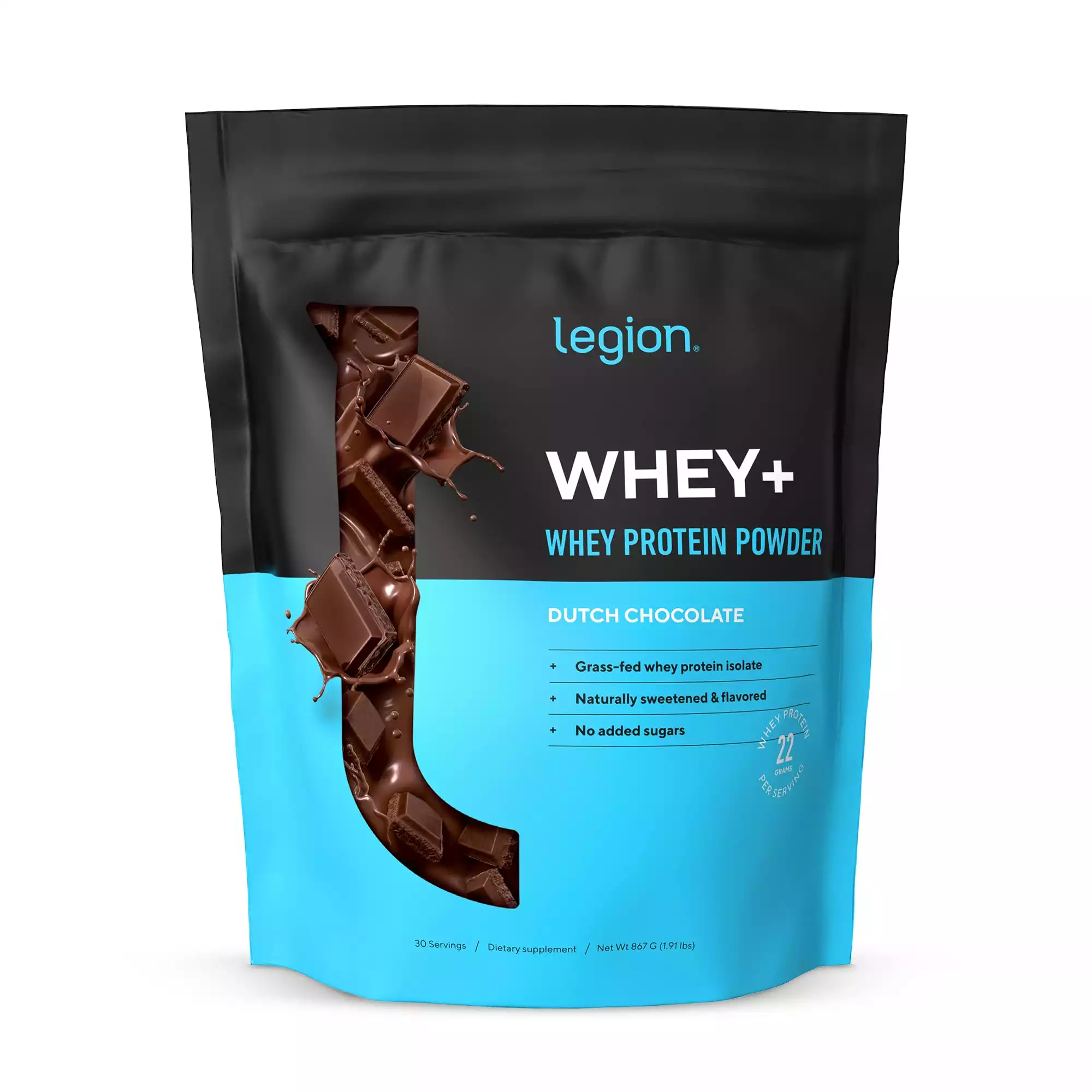
- Convenience for Protein Intake: For individuals with high protein demands (e.g., intense training) or those struggling to consume enough protein through diet alone, a protein powder can be a convenient way to meet daily targets. It’s an easy addition to a smoothie or shaker cup.
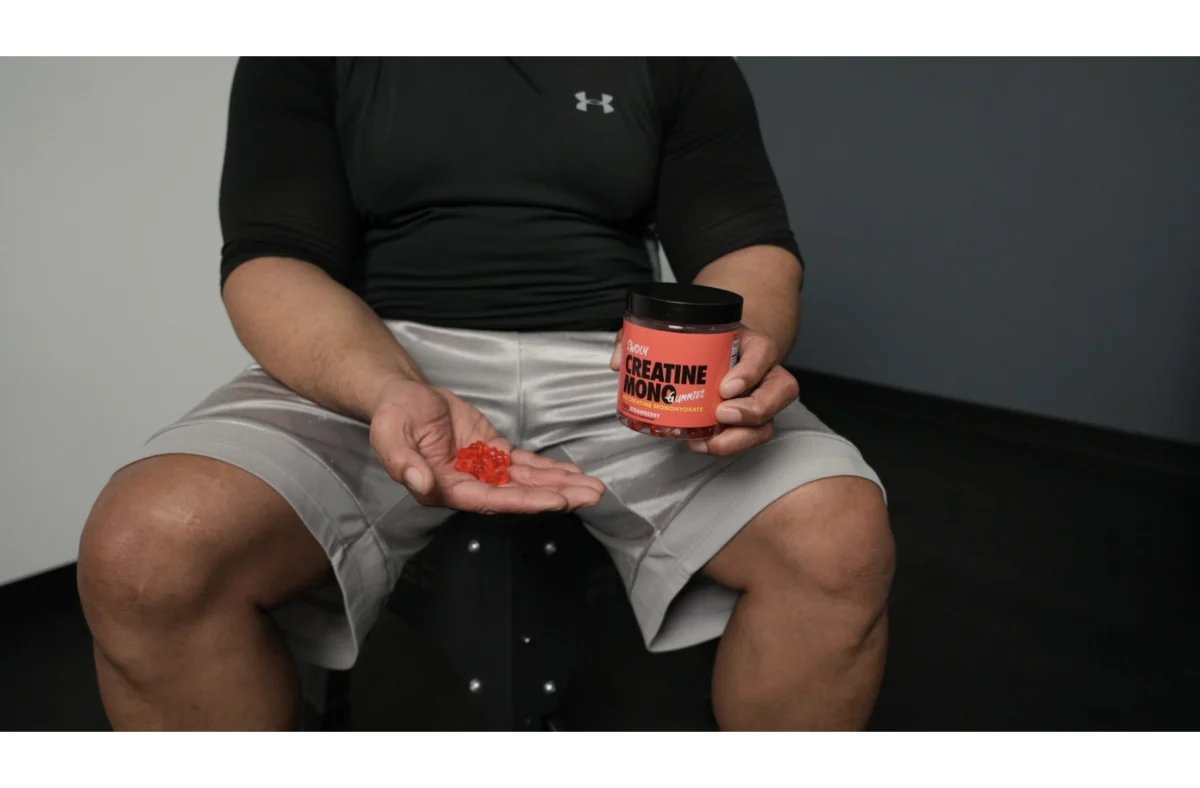
- Performance Enhancement: Certain supplements, like creatine, have strong scientific backing for improving strength and power in specific populations, but these should be considered carefully and with research.
- Emphasize Professional Advice: Always consult with a healthcare professional, registered dietitian, or certified sports nutritionist before introducing new supplements, especially if you have underlying health conditions. They can help you determine what’s appropriate for your individual needs and goals.
Pillar 3: Rest and Rejuvenation – The Unsung Hero of Progress
Many fitness enthusiasts, particularly those in the intermediate stage, fall into the trap of believing "more is better" when it comes to training. However, your body doesn’t get stronger during the workout; it gets stronger during recovery. Neglecting rest is a surefire way to invite injury, burnout, and stalled progress.

The Power of Quality Sleep
Sleep is perhaps the most undervalued component of fitness. It’s when your body performs critical repair and recovery processes.
- Muscle Repair and Growth: During deep sleep, your body releases growth hormone, essential for tissue repair and muscle protein synthesis.
- Hormone Regulation: Sleep impacts hormones related to appetite (ghrelin and leptin), stress (cortisol), and energy. Poor sleep can disrupt these, leading to increased cravings and fat storage.
- Mental Clarity and Performance: Adequate sleep improves focus, reaction time, and decision-making, translating to better performance in the gym and in daily life.
- Actionable Advice: Sleep Hygiene Tips:
- Aim for 7-9 hours of quality sleep per night.
- Establish a consistent sleep schedule (even on weekends).
- Create a relaxing bedtime routine.
- Ensure your bedroom is dark, quiet, and cool.
- Limit screen time an hour before bed.
- Avoid heavy meals, caffeine, and alcohol close to bedtime.
Active Recovery and Deloading
While complete rest days are important, active recovery and deloading periods also play a vital role.
- What they are:
- Active Recovery: Low-intensity exercise (e.g., light walking, cycling, swimming, yoga) that promotes blood flow without adding significant stress to the muscles. It helps flush out metabolic waste and reduce muscle soreness.
- Deloading: Periodically reducing the volume or intensity of your training (e.g., lifting lighter weights for fewer sets) for a week or so. This allows your body to fully recover, adapt, and prepare for renewed progress.
- Why they’re important: Prevent overtraining, reduce injury risk, and help you break through plateaus by giving your nervous system a break.
- Examples: A long walk in nature, a gentle yoga class, swimming laps at a relaxed pace, or a foam rolling session. For deloading, an intermediate lifter might cut their usual weights by 50% or do half the number of sets for a week every 8-12 weeks.
Stress Management for Physical Well-being
Chronic stress has a profound negative impact on your physical health and fitness goals.
- Impact of Chronic Stress: Elevates cortisol levels, which can lead to increased fat storage, particularly around the abdomen, impair muscle recovery, and suppress the immune system. It also impacts sleep quality and energy.
- Actionable Advice:
- Mindfulness and Meditation: Even 5-10 minutes daily can significantly reduce stress.
- Hobbies and Time Off: Engage in activities you enjoy that are unrelated to work or intense training.
- Deep Breathing Exercises: Simple techniques can calm your nervous system instantly.
- Prioritize and Delegate: Don’t try to do everything yourself. Learn to say no.
Pillar 4: The Mental Game – Cultivating a Resilient Mindset
Fitness is as much a mental journey as it is a physical one. Your mindset dictates your consistency, your ability to overcome setbacks, and ultimately, your long-term success.
Setting Realistic, Achievable Goals
Unrealistic expectations are a primary cause of demotivation.
- SMART Goals: Make your goals Specific, Measurable, Achievable, Relevant, and Time-bound.
- Instead of: "I want to get fit."
- Try: "I will consistently perform three 30-minute strength training sessions and two 30-minute cardio sessions per week for the next 8 weeks, tracking my progress in a journal."
- Focus on Consistency, Not Perfection: Missing a workout or having an unhealthy meal doesn’t derail your entire journey. It’s a single data point. The goal is consistent effort over time, not flawless execution every single day.
Embracing Imperfection and Bouncing Back
Life happens. You’ll have off days, busy weeks, and moments of weakness.
- Off Days are Normal: Don’t beat yourself up. Acknowledge it, learn from it, and get back on track with your next opportunity.
- Learning from Setbacks: Did you skip workouts because you were too tired? Perhaps you need more sleep. Did you fall off track with nutrition due to stress? Identify the trigger and develop coping mechanisms. Setbacks are opportunities for growth.
- Real-life example: An intermediate lifter might have a bad week at the gym where weights feel heavy and progress stalls. Instead of quitting, they might deload for a week, focus on recovery, and come back stronger. A beginner who misses a few days might simply pick up where they left off without dwelling on the missed time.
Celebrating Small Victories
Acknowledge and appreciate your progress, no matter how small.
- Motivation through Positive Reinforcement: Did you add one more rep? Lift slightly heavier? Walk an extra five minutes? Feel more energetic? Celebrate these wins! They reinforce positive behaviors and build momentum.
- Beyond the Scale: Focus on non-scale victories: clothes fitting better, increased strength, improved sleep, better mood, higher energy levels.
Building a Supportive Community
You don’t have to go it alone.
- Accountability: Share your goals with a friend, family member, or join a fitness group. Knowing someone is expecting you can be a powerful motivator.
- Shared Journey: Connect with others who are on a similar path. They can offer encouragement, advice, and a sense of belonging. This could be a workout buddy, an online forum, or a local fitness class.
Integrating Fitness into Your Life: Making it Stick
The true test of enduring fitness is its seamless integration into your daily life. It should feel less like an obligation and more like an inherent part of who you are.
Consistency Over Intensity
This is the golden rule. Doing something consistently, even if it’s moderate, yields far greater results than sporadic, intense bursts of effort followed by long periods of inactivity.
- Small Habits, Big Results: Start small and build gradually. A 15-minute walk every day is more impactful than an intense hour-long workout once a month.
- Real-life example: Instead of aiming for a drastic diet overhaul, a beginner might focus on adding one serving of vegetables to each meal for a week, then gradually incorporate more changes. An intermediate might prioritize hitting their protein goal daily before worrying about perfectly timed meals.
Adapting as You Grow
Your fitness journey is dynamic. What works for you today might not be ideal six months from now.
- Fitness Evolves With You: As your body changes, your goals shift, and your life circumstances vary, be prepared to adapt your routine, nutrition, and recovery strategies.
- Be Flexible: Life throws curveballs. Learn to adjust your plans without abandoning them entirely. A missed gym session can be replaced by a home workout or a long walk.
Enjoying the Process
Ultimately, enduring fitness is about finding joy in movement, appreciating your body’s capabilities, and embracing a lifestyle that enhances your well-being.
- Find What You Love: Reiterate the importance of choosing activities that you genuinely look forward to.
- Focus on How You Feel: Shift your focus from external validation to internal feelings of strength, energy, and vitality. This intrinsic motivation is the most powerful and sustainable.
Conclusion
Embarking on a fitness journey is a profound commitment to yourself, an investment in a more vibrant and energetic future. It’s about more than just the sweat and the struggle; it’s about building a sustainable framework for lifelong health. By focusing on strategic movement, nourishing your body with quality fuel, prioritizing rest and rejuvenation, and cultivating a resilient mindset, you are not just working out – you are crafting a life.
Remember, the path to enduring fitness is not a sprint, but a marathon of consistent effort, thoughtful choices, and self-compassion. There will be good days and challenging days, moments of triumph and opportunities for growth. Embrace every step of the process, listen to your body, celebrate your progress, and never underestimate the power of showing up for yourself, day after day. Your journey is uniquely yours, and with these pillars firmly in place, you have the blueprint to build a foundation of health and vitality that will serve you for years to come. Start today, stay consistent, and unlock the vibrant life you deserve.