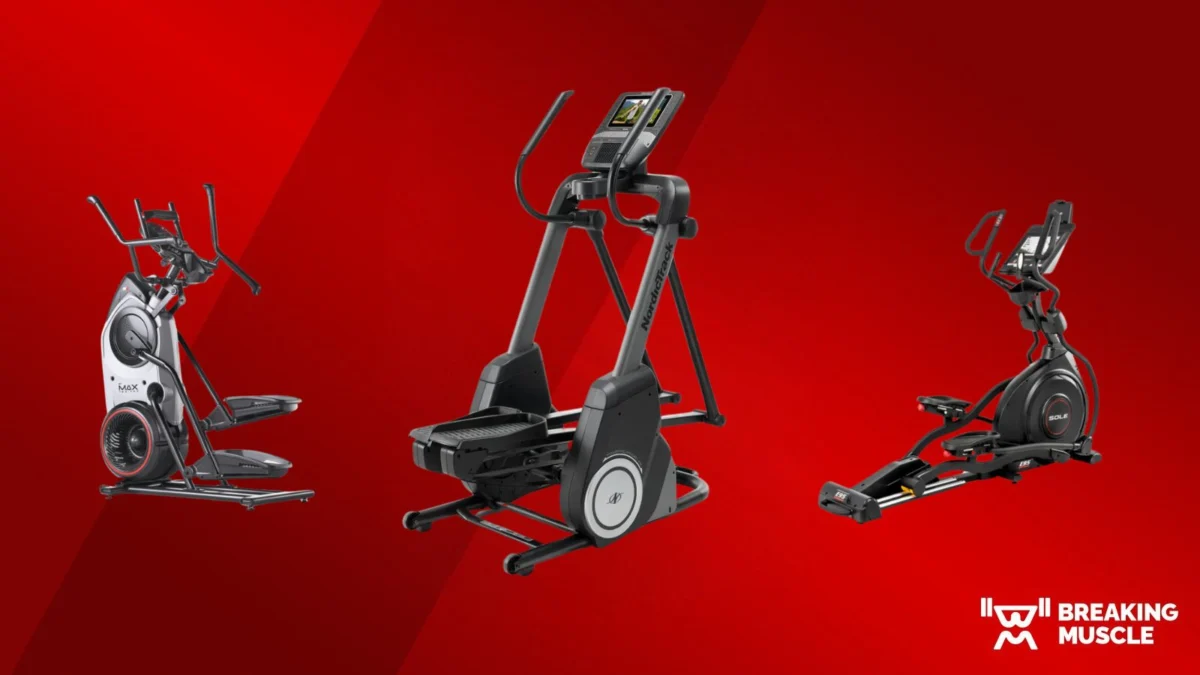
In the vast landscape of fitness equipment, few machines offer the versatile, full-body benefits of the elliptical trainer, especially for those seeking an effective yet gentle approach to cardio. Whether you’re just embarking on your fitness journey or looking to revitalize an existing routine, the elliptical stands out as a powerful ally. It provides a dynamic workout that simultaneously engages your upper and lower body, elevates your heart rate, and torches calories, all while minimizing the impact on your precious joints. This unique combination makes it an indispensable tool for building endurance, enhancing muscle tone, and fostering overall well-being right from the comfort of your home.
This comprehensive guide is designed to empower beginners and intermediate fitness enthusiasts alike to harness the full potential of their elliptical machine. We’ll delve into what makes the elliptical such an effective piece of equipment, demystify its key features, and provide actionable strategies to craft engaging and progressive workouts. From mastering proper form to integrating advanced techniques and avoiding common pitfalls, you’ll gain the knowledge and confidence to transform your fitness routine and stride towards a stronger, healthier you. Get ready to glide your way to greatness, one smooth, powerful revolution at a time.
Understanding the Elliptical Advantage
The elliptical trainer has carved a significant niche in the fitness world, celebrated for its unique blend of effectiveness and accessibility. Unlike many other cardio machines, it offers a distinct set of advantages that cater to a wide range of fitness levels and needs, particularly those prioritizing joint health and comprehensive muscle engagement.
What Makes the Elliptical Unique?
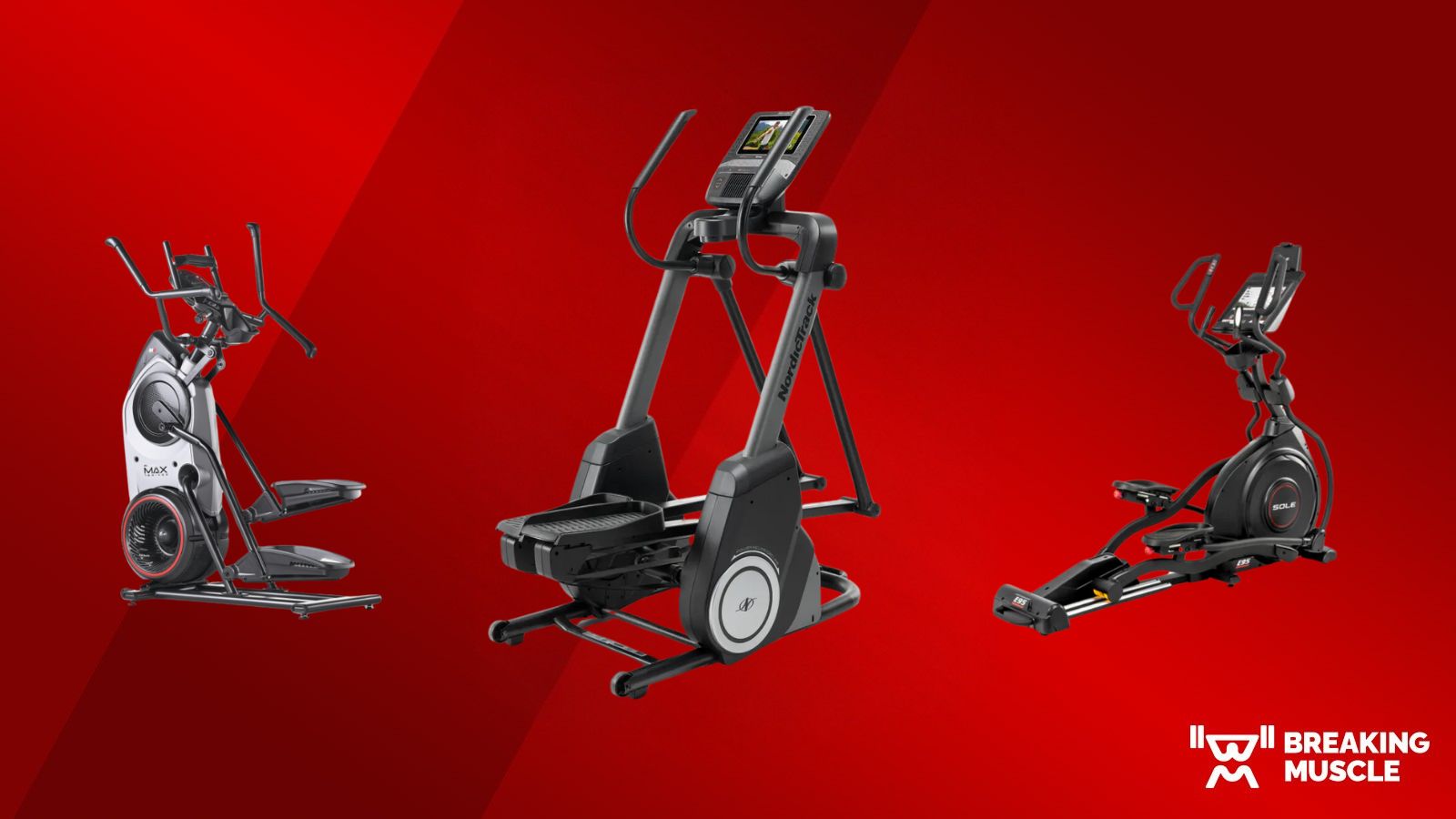
At its core, the elliptical simulates walking, running, and stair climbing without the jarring impact associated with these activities. This "zero-impact" or "low-impact" design is its defining characteristic and primary benefit.
- Joint Protection: When you run or jump, your joints (knees, hips, ankles) absorb significant shock with each stride. The elliptical’s gliding motion keeps your feet in constant contact with the pedals, eliminating this impact. This makes it an ideal choice for individuals with joint pain, those recovering from injuries, or anyone looking to reduce wear and tear on their musculoskeletal system over the long term. It allows for intense cardiovascular training without the associated stress.
- Full-Body Engagement: Beyond its joint-friendly nature, the elliptical excels at delivering a comprehensive workout. Its dual-action design, featuring both foot pedals and moving handlebars, ensures that you’re not just working your legs. As you push and pull the handlebars, you actively engage your upper body muscles, including your shoulders, chest, back, and arms. Simultaneously, your lower body—quadriceps, hamstrings, glutes, and calves—is continuously challenged. This integrated approach leads to a more efficient workout, burning more calories and building balanced strength across your major muscle groups.
- Cardiovascular Enhancement: As with any effective cardio exercise, consistent elliptical training significantly boosts your cardiovascular health. Regular sessions strengthen your heart and lungs, improving blood circulation, lowering blood pressure, and increasing your stamina. The ability to vary resistance and incline allows you to keep your heart rate in your target zone, optimizing fat burning and endurance development.
Who Can Benefit Most?
The versatility of the elliptical makes it a valuable asset for a diverse demographic of fitness enthusiasts.
- Beginners to Fitness: For those new to exercise, the elliptical provides a safe, approachable entry point. Its intuitive motion is easy to learn, and the low impact reduces the intimidation factor often associated with high-intensity activities. It allows beginners to gradually build stamina and confidence without excessive strain.
- Individuals with Joint Sensitivities or Injuries: As mentioned, the elliptical is a godsend for anyone with existing joint issues, arthritis, or those in rehabilitation (always consult a doctor or physical therapist before starting a new routine, especially post-injury). It allows them to maintain or improve cardiovascular fitness without exacerbating pain or hindering recovery.
- Time-Conscious Individuals: The full-body nature of the elliptical means you can achieve a highly effective workout in less time. Instead of needing separate sessions for upper body and lower body cardio, the elliptical combines them, making it perfect for busy schedules. A 30-minute elliptical session can be as effective as longer workouts on other machines.
- Cross-Training Athletes: Runners, cyclists, and other athletes can use the elliptical as an excellent cross-training tool. It provides a different stimulus to muscles, helps build cardiovascular capacity without adding impact stress, and can aid in active recovery, contributing to overall athletic longevity and performance.
The elliptical isn’t just a piece of equipment; it’s a gateway to sustainable, enjoyable, and effective fitness for nearly everyone.
Demystifying Your Elliptical: Features and Functionality
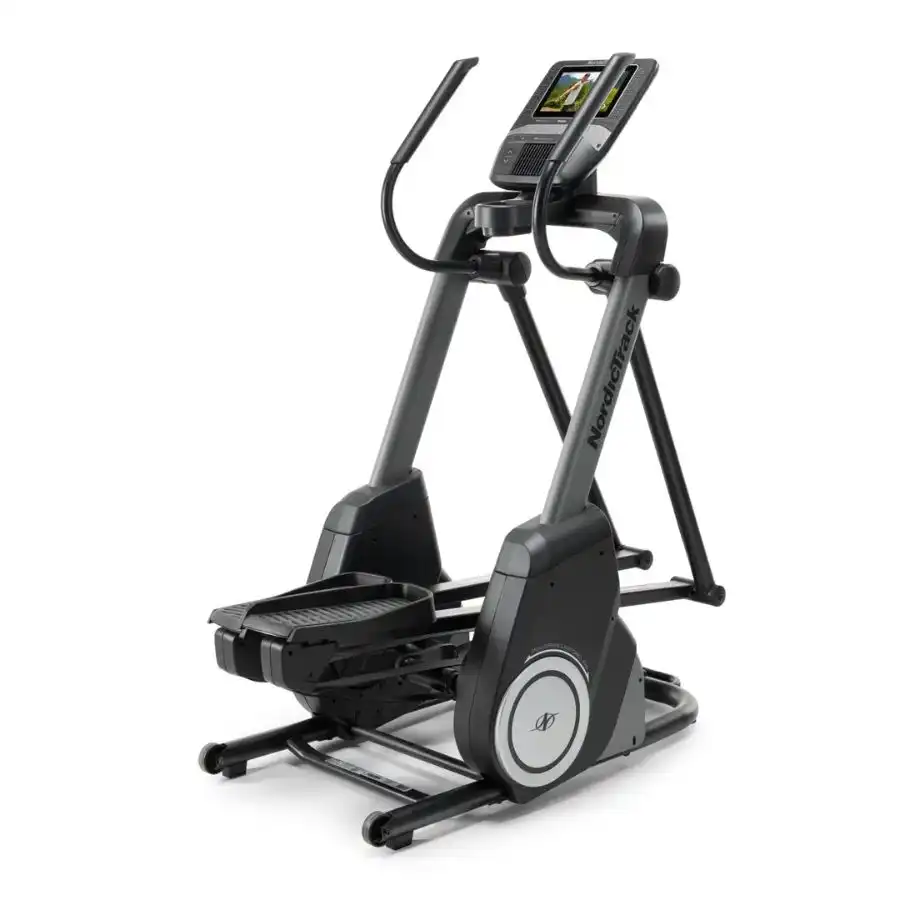
To truly master your elliptical workout, it’s essential to understand the machine’s fundamental components and how its adjustable settings can be leveraged to optimize your training. While models may vary in design and technological sophistication, the core mechanics remain consistent.
Key Components Explained
Familiarizing yourself with the basic parts of an elliptical will help you maintain proper form and understand how to get the most out of each session.
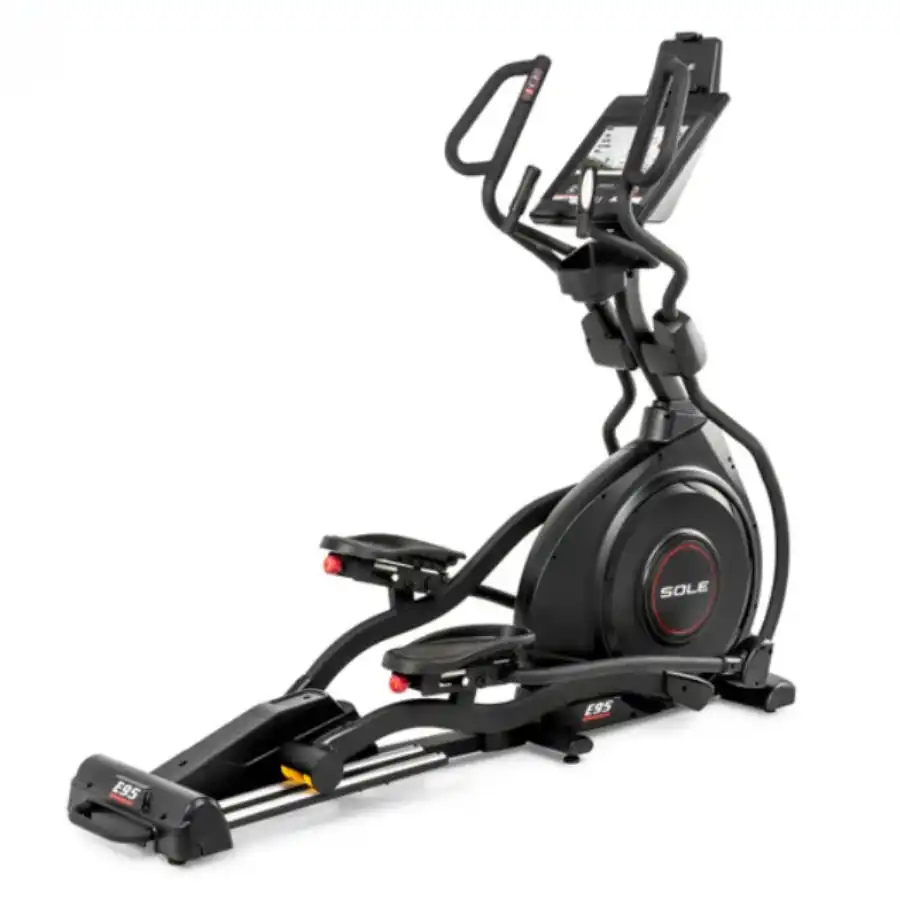
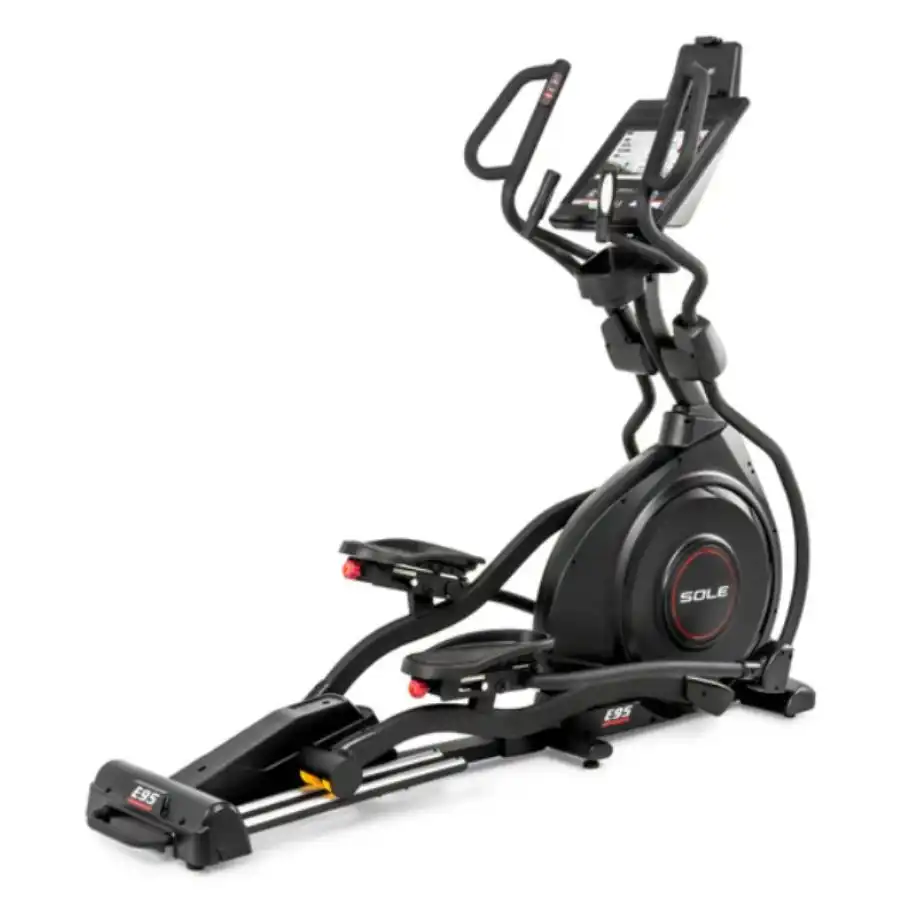
- Pedals: These are where your feet rest. Most elliptical pedals are oversized and designed to accommodate various foot sizes comfortably. Crucially, your feet remain in contact with these pedals throughout the workout, providing the low-impact motion. Many pedals also have a slight incline or adjustability to promote natural foot alignment and reduce strain on your Achilles tendons and calves.
- Actionable Tip: Ensure your entire foot is comfortably on the pedal, distributing your weight evenly. Avoid pressing down heavily on your toes or heels, which can lead to discomfort or poor form. You can pedal forward to emphasize quadriceps and glutes, or reverse pedal to engage hamstrings and calves more intensely.
- Handlebars (Moving and Stationary): Ellipticals typically feature two sets of handlebars.
- Moving Handlebars: These connect to the pedal system and move back and forth with your leg movements. Pushing and pulling these handles engages your upper body (chest, shoulders, triceps when pushing; back, biceps when pulling). This is key to achieving a full-body workout.
- Stationary Handlebars: Often located closer to the console, these provide stability and house heart rate sensors on many machines. You can hold these if you want to focus solely on a lower-body workout or need extra balance.
- Actionable Tip: When using the moving handlebars, try to coordinate your arm and leg movements. Push with one arm as the opposite leg extends forward, mimicking a natural running stride. Avoid leaning heavily on them; let your legs and core do most of the work, with your arms providing assistance and resistance.
- Flywheel: This is the heavy, rotating disc within the machine that generates resistance and momentum. The weight and design of the flywheel contribute significantly to the smoothness and stability of your ride. A well-engineered flywheel ensures a consistent, fluid motion, preventing jerky movements that can strain joints.
- Actionable Tip: While you don’t directly interact with the flywheel, understanding its role helps appreciate the machine’s quality. A smoother ride often translates to a more comfortable and enjoyable workout experience.
- Console/Display: The control center of your elliptical, the console typically displays crucial workout metrics such as time elapsed, distance covered, calories burned, revolutions per minute (RPM), and your heart rate (if using sensors or a chest strap). More advanced consoles may offer pre-programmed workouts, virtual routes, or connectivity to fitness apps.
- Actionable Tip: Utilize the display to track your progress and stay motivated. Setting small goals for distance or time can add structure to your workout. Monitor your heart rate to ensure you’re training within your target zones for optimal results.
Essential Adjustable Settings
The true power of the elliptical lies in its adjustability, allowing you to tailor each workout to your specific fitness goals and intensity preferences.
- Resistance: This is perhaps the most fundamental adjustment. Resistance levels control how hard you have to work to move the pedals and handlebars. Increasing resistance makes the motion feel heavier, simulating uphill climbs or deeper strides, and recruits more muscle fibers. Decreasing it makes the movement lighter and faster.
- Actionable Tip: Start with a resistance level that allows you to maintain good form for 15-20 minutes. As your endurance and strength improve, gradually increase the resistance. Varying resistance throughout your workout (e.g., interval training) is an excellent way to challenge your body and prevent plateaus.
- Incline (if applicable): Some ellipticals offer an adjustable ramp or incline feature. Changing the incline alters the angle of your stride, mimicking different terrain. A higher incline will engage your glutes and hamstrings more intensely, similar to walking or running uphill, while a flatter incline emphasizes quadriceps.
- Actionable Tip: Experiment with incline settings to target different muscle groups and add variety to your routine. Incorporate incline changes into your interval training for an added challenge and enhanced lower body sculpting.
- Stride Length (on some models): While many ellipticals have a fixed stride length, some advanced models allow you to adjust it. Stride length refers to how far apart the pedals move with each cycle. A longer stride mimics a running motion, while a shorter stride feels more like stair climbing.
- Actionable Tip: If your machine has adjustable stride length, find one that feels natural and comfortable for your height and leg length. It should feel like a fluid, unforced motion, not overly stretched or cramped.
By understanding and actively utilizing these features, you can transform your elliptical into a highly effective, personalized training tool capable of delivering diverse and challenging workouts tailored to your evolving fitness journey.
Crafting Your Elliptical Workout: From Basics to Breakthroughs
The elliptical is a versatile machine, capable of delivering everything from gentle recovery sessions to intense, calorie-scorching workouts. The key to maximizing its benefits lies in understanding how to structure your sessions effectively and progress over time.
Starting Strong: The Beginner’s Blueprint
If you’re new to the elliptical or returning to exercise after a break, building a solid foundation is paramount. Focus on establishing consistent habits and mastering proper form before chasing high intensity.
- Warm-up (5-10 minutes): Never skip this crucial step. Begin with light pedaling at a very low resistance to gradually increase your heart rate and prepare your muscles. Follow with some dynamic stretches like arm circles, leg swings (off the machine), and torso twists to mobilize your joints.
- Workout Duration and Intensity: Aim for 15-20 minutes initially, focusing on a steady, comfortable pace. Your intensity should be at a level where you can hold a conversation without gasping for breath – this is often referred to as a "perceived exertion" of 5-6 out of 10. As you build endurance, gradually increase your workout duration by 5 minutes each week until you reach 30-45 minutes.
- Cool-down (5 minutes): After your main workout, reduce your resistance and pedaling speed for 5 minutes. This helps your heart rate return to normal and prevents blood pooling. Finish with static stretches, holding each stretch for 20-30 seconds, focusing on major muscle groups like quads, hamstrings, glutes, and calves.
- Consistency Over Intensity: Aim for 3-4 elliptical sessions per week on non-consecutive days to allow for recovery. The most effective workout is the one you consistently do.
Progressing Your Path: Intermediate Strategies
Once you’re comfortable with the basics and can comfortably complete 30 minutes of steady-state elliptical work, it’s time to introduce new challenges to continue building strength, endurance, and calorie expenditure.
- Interval Training (HIIT & LISS):
- High-Intensity Interval Training (HIIT): This method involves short bursts of maximal effort followed by periods of active recovery. HIIT is highly effective for improving cardiovascular fitness, boosting metabolism, and burning calories efficiently in a shorter timeframe.
- Example HIIT Workout:
- Warm-up: 5-7 minutes light pedaling.
- Work Interval: 1 minute at high resistance/speed (RPE 8-9 – you should be breathless).
- Recovery Interval: 2 minutes at low resistance/speed (RPE 4-5 – catching your breath).
- Repeat 5-8 times.
- Cool-down: 5 minutes light pedaling and stretching.
- Actionable Advice: Limit HIIT sessions to 2-3 times per week on non-consecutive days, as they are demanding on your body.
- Example HIIT Workout:
- Low-Intensity Steady State (LISS): This involves maintaining a moderate, consistent intensity for a longer duration. LISS is excellent for fat burning, improving aerobic capacity, and can be a good option for active recovery.
- Example LISS Workout:
- Warm-up: 5 minutes light pedaling.
- Main Workout: 45-60 minutes at a moderate resistance and pace (RPE 6-7 – you can talk but it’s challenging).
- Cool-down: 5 minutes light pedaling and stretching.
- Actionable Advice: LISS can be done more frequently, up to 4-5 times a week, and is a great complement to strength training.
- Example LISS Workout:
- High-Intensity Interval Training (HIIT): This method involves short bursts of maximal effort followed by periods of active recovery. HIIT is highly effective for improving cardiovascular fitness, boosting metabolism, and burning calories efficiently in a shorter timeframe.
- Resistance and Incline Manipulation: Don’t just stick to one setting.
- Ladder Drills: Gradually increase resistance every 2-3 minutes for 15-20 minutes, then decrease it back down. This builds strength and endurance.
- Hill Climbs: If your elliptical has an incline feature, incorporate "hills." Increase both resistance and incline for 2-5 minutes, then reduce for recovery. This powerfully targets your glutes and hamstrings, mimicking outdoor terrain.
- Backward Pedaling: Pedaling in reverse offers a unique benefit by engaging different muscle groups. It places more emphasis on your hamstrings and glutes, which are often underutilized in forward motion.
- Actionable Advice: Integrate 5-10 minute segments of backward pedaling into your routine. Ensure smooth, controlled movements and maintain good posture.
- Upper Body Focus: Many users unconsciously let their legs do all the work. Consciously engage your upper body by actively pushing and pulling the moving handlebars.
- Actionable Advice: Focus on the push and pull. When pushing, engage your chest and triceps; when pulling, activate your back and biceps. This transforms your workout into a true full-body experience.
Practical Tips for Maximizing Your Session
Beyond structured workouts, small adjustments can make a big difference in your elliptical experience.
- Maintain Proper Posture: Stand tall with your shoulders relaxed and pulled back, core engaged, and a slight bend in your knees. Avoid slouching or leaning heavily on the handlebars, which reduces the effectiveness of the workout and can lead to back strain. Imagine a string pulling you up from the crown of your head.
- Even Foot Pressure: Distribute your weight evenly across your entire foot on the pedals. Avoid pushing off primarily with your toes, which can cause calf fatigue, or relying too much on your heels.
- Stay Hydrated: Keep a water bottle within reach and sip regularly throughout your workout, especially during longer or more intense sessions.
- Listen to Your Body: While pushing yourself is important for progress, never ignore pain. Sharp, sudden, or persistent pain is a signal to stop. Modify your workout, reduce intensity, or take a rest day if needed. Recovery is just as vital as the workout itself.
- Leverage Entertainment: To make your workout more enjoyable and time fly by, utilize your elliptical’s media holder (if it has one). Listen to your favorite music, podcasts, audiobooks, or watch a show. This can be a powerful motivator to keep you moving.
- Vary Your Routine: The body adapts quickly. To continue seeing results and prevent boredom, regularly change up your workouts. Alter resistance, incline, duration, or incorporate different interval patterns. This keeps your muscles guessing and your mind engaged.
By applying these strategies, you’ll not only maximize the physical benefits of your elliptical but also cultivate a more enjoyable and sustainable fitness practice. The journey to a stronger, healthier you is built on consistent effort and smart training.
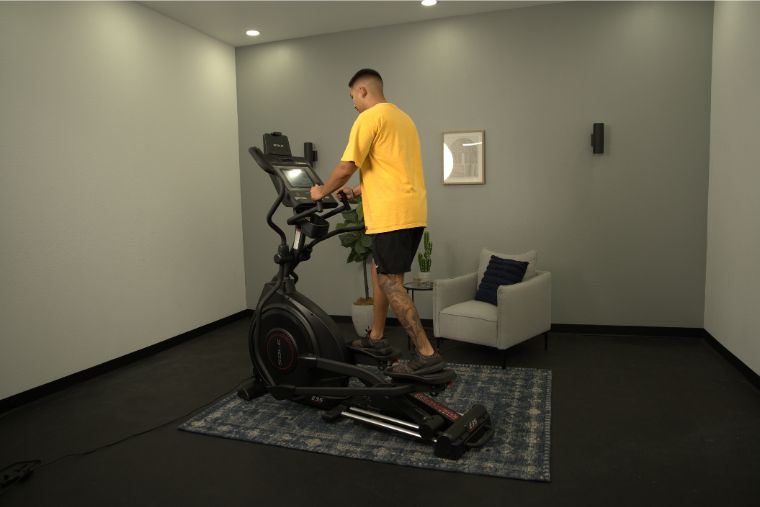
Integrating the Elliptical into Your Holistic Fitness Journey
While the elliptical is a formidable tool on its own, its true power unfolds when integrated thoughtfully into a broader, holistic fitness plan. A balanced approach ensures comprehensive physical development, mental well-being, and sustainable results.
Complementing Strength Training
Cardio and strength training are two pillars of a well-rounded fitness regimen, and the elliptical can beautifully bridge them.
- Warm-up and Cool-down: A 5-10 minute light elliptical session serves as an excellent warm-up before strength training, increasing blood flow to muscles and preparing your body for heavier lifts. Similarly, a gentle 5-minute cool-down on the elliptical after weights helps to flush out metabolic waste and initiate recovery.
- Dedicated Cardio Days: On days separate from your strength training, the elliptical can be your primary cardio workout. This allows you to focus fully on cardiovascular endurance without fatiguing your muscles for lifting.
- Active Recovery: For intermediate users, a very low-intensity, moderate-duration elliptical session (e.g., 20-30 minutes at RPE 3-4) can act as active recovery on rest days. This gentle movement helps improve blood circulation, reduce muscle soreness, and maintain consistency without overtraining.
Weight Management & Body Composition
The elliptical is a powerful ally in achieving and maintaining a healthy weight and improving body composition.
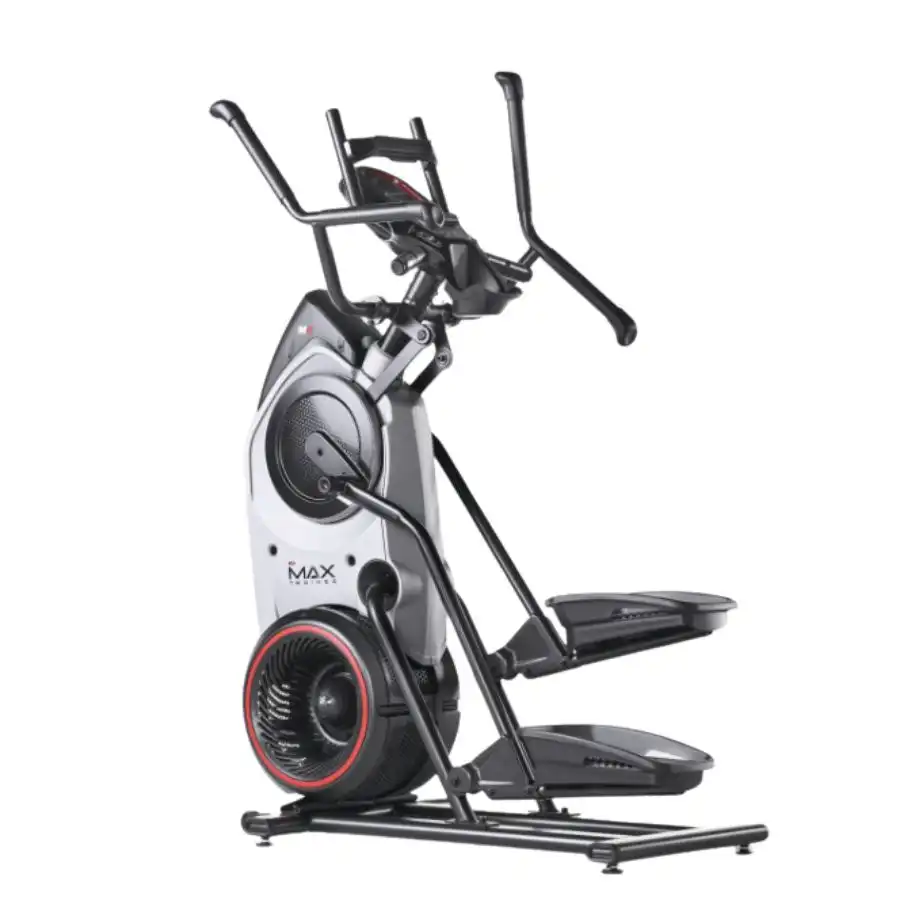
- Calorie Expenditure: Due to its full-body engagement, elliptical training can burn a significant number of calories, contributing to the calorie deficit necessary for weight loss. The more intensely and consistently you use it, the greater the caloric expenditure.
- Muscle Maintenance: While primarily a cardio machine, the resistance work on an elliptical helps maintain muscle mass, especially in the lower body and core, which is crucial during weight loss to preserve a healthy metabolism.
- Nutrition is Key: It’s vital to remember that exercise alone is often not enough for significant weight loss. Pairing your elliptical workouts with a balanced, nutritious diet is paramount. Focus on whole foods, lean proteins, healthy fats, and complex carbohydrates to fuel your body and support your goals. Think of your elliptical as a powerful accelerator for a healthy eating plan.
Mental Well-being
Fitness is as much about the mind as it is the body. The elliptical contributes positively to mental health in several ways.
- Stress Reduction: Engaging in physical activity, including elliptical training, releases endorphins, natural mood elevators that can reduce stress, anxiety, and even alleviate symptoms of depression. The rhythmic, repetitive motion can be meditative, offering a mental escape.
- Improved Mood and Energy: Regular exercise boosts energy levels and can lead to better sleep quality, both of which are crucial for maintaining a positive outlook and cognitive function.
- Sense of Accomplishment: Consistently showing up for your workouts and seeing progress, whether it’s increasing your duration, resistance, or distance, provides a profound sense of accomplishment and boosts self-efficacy. This internal motivation is key to long-term adherence.
Setting Realistic Goals
A fitness journey is a marathon, not a sprint. Setting clear, achievable goals will keep you focused and motivated.
- SMART Goals: Ensure your goals are Specific, Measurable, Achievable, Relevant, and Time-bound. Instead of "I want to get fit," try "I will complete 3 elliptical workouts of 30 minutes each week for the next 4 weeks, gradually increasing resistance each session."
- Celebrate Small Victories: Acknowledge every milestone, no matter how small. Did you pedal for 5 minutes longer? Did you increase your resistance by one level? These small successes build momentum and reinforce positive habits.
- Flexibility and Adaptability: Life happens. There will be days when you miss a workout or can’t perform at your peak. Don’t let setbacks derail your entire journey. Be flexible, adjust your plan, and get back on track the next day. Consistency over perfection is the motto.
By weaving your elliptical training into this holistic framework, you’re not just exercising; you’re cultivating a lifestyle of health, strength, and resilience that extends far beyond the machine itself.
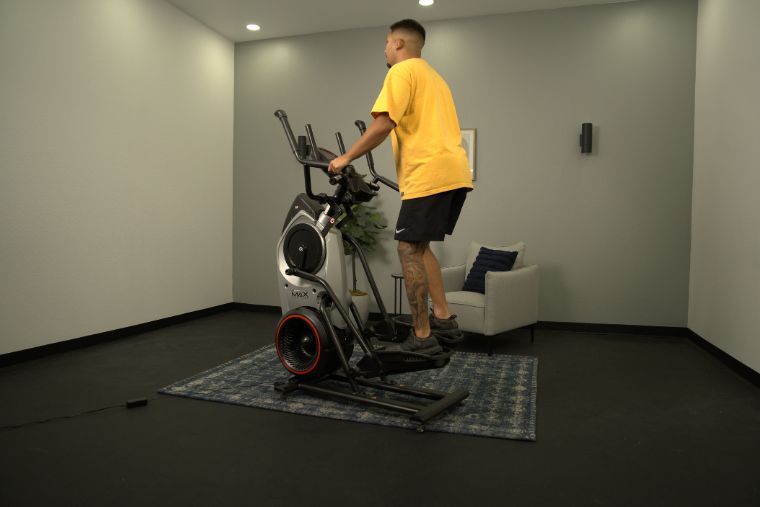
Common Mistakes to Avoid
Even with the best intentions, certain habits can diminish the effectiveness of your elliptical workout or even lead to discomfort. Being aware of these common pitfalls can help you optimize your training and ensure a safer, more productive experience.
- Slouching or Leaning Heavily on Handlebars: This is perhaps the most prevalent mistake. Leaning too much on the moving or stationary handlebars reduces the workload on your legs and core, diminishing the calorie burn and full-body benefits. It also places undue stress on your back and wrists.
- Correction: Maintain an upright posture, engage your core, and keep a light grip on the handlebars. Let your legs and glutes drive the movement, with your arms assisting rather than supporting your body weight.
- Ignoring Resistance or Incline Settings: Sticking to the same comfortable settings workout after workout leads to plateaus. Your body adapts quickly, and without progressive overload, your progress will stagnate.
- Correction: Regularly challenge yourself by gradually increasing resistance, incorporating incline variations, or integrating interval training. Periodically changing your workout parameters keeps your muscles engaged and your cardiovascular system adapting.
- Forgetting Warm-up and Cool-down: Skipping these critical phases increases your risk of injury and can hinder recovery. A cold body isn’t ready for intense exertion, and an abrupt stop isn’t ideal for your cardiovascular system.
- Correction: Always dedicate 5-10 minutes to a light warm-up and 5 minutes to a cool-down with stretching. This prepares your body for work and helps it recover effectively.
- Over-relying on the Machine for Motivation: While built-in programs and entertainment are helpful, true long-term adherence comes from internal motivation. If you only workout when a program tells you to or only while watching your favorite show, your commitment might waver.
- Correction: Cultivate an intrinsic desire to move. Focus on how you feel during and after a workout, the energy boost, the stress relief, and the sense of accomplishment. Connect your workouts to your deeper health and well-being goals.
- Not Listening to Your Body: Pushing through discomfort is one thing; pushing through pain is another. Ignoring signals of fatigue, soreness, or sharp pain can lead to injury and prolonged recovery periods.
- Correction: Pay attention to your body’s feedback. If something feels off, reduce the intensity, take a rest day, or consult a professional if pain persists. Recovery and injury prevention are paramount for long-term fitness.
- Foot Placement Issues: Some users tend to push off their toes or shift their weight unevenly, which can cause discomfort in the feet, ankles, or calves.
- Correction: Ensure your entire foot is firmly and evenly planted on the pedal. The movement should feel natural and fluid, with weight distributed from heel to toe throughout the stride.
By consciously avoiding these common errors, you can transform your elliptical sessions into highly effective, safe, and enjoyable components of your fitness routine. Awareness is the first step towards improvement.
Conclusion
The elliptical trainer stands as a testament to intelligent fitness design – a powerful, low-impact conduit to a healthier, stronger you. It’s more than just a cardio machine; it’s a versatile, full-body instrument that safeguards your joints while challenging your heart, lungs, and muscles from head to toe. For beginners seeking a gentle entry into the world of fitness, or intermediate enthusiasts aiming for progressive challenges, the elliptical offers an accessible yet profound path to elevate physical and mental well-being.
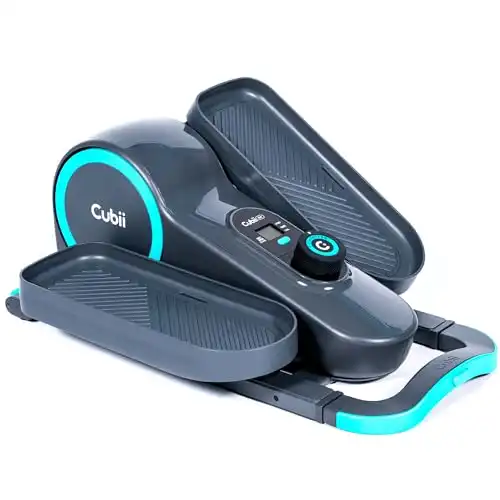
You now possess the blueprint: an understanding of its unique advantages, a grasp of its core functionalities, and a repertoire of practical strategies to craft engaging workouts. Remember that consistency is the bedrock of all progress. Embrace the journey, listen to your body, and never underestimate the cumulative power of showing up for yourself, one smooth stride at a time.
Your fitness journey is personal, an ongoing narrative of growth and resilience. Let the elliptical be a trusted companion on this path, guiding you towards enhanced endurance, balanced strength, and a profound sense of accomplishment. Step onto those pedals, find your rhythm, and glide with purpose. The power to transform your health is literally at your feet – seize it, and unlock your full, vibrant potential.