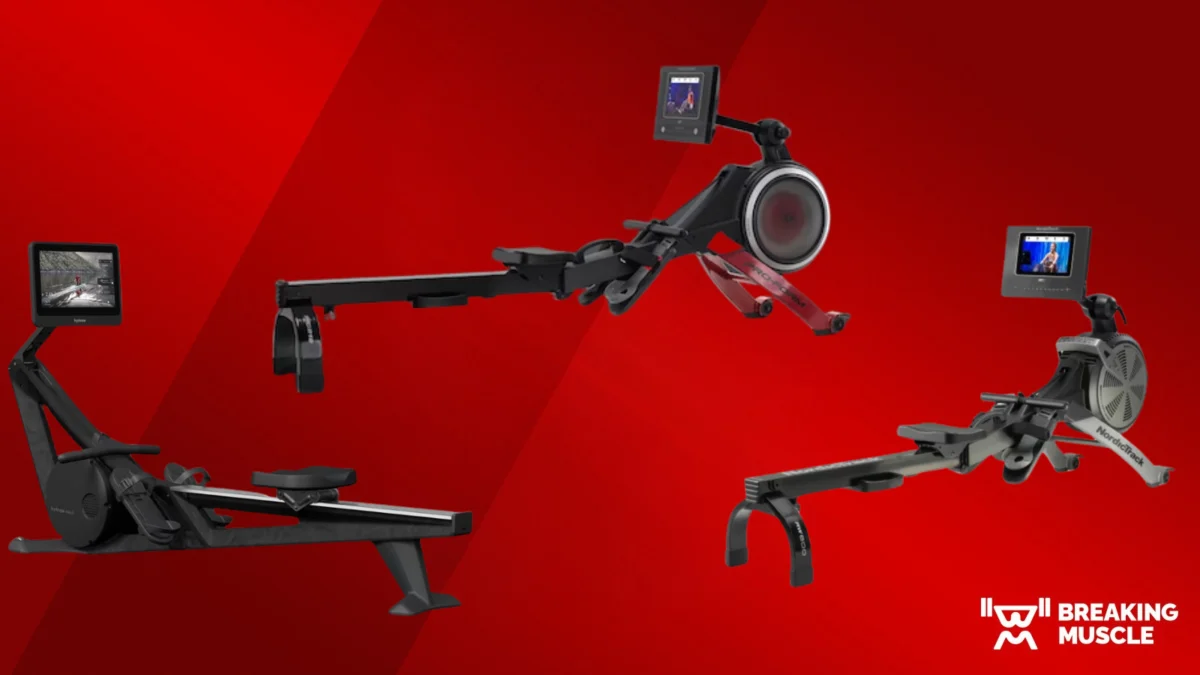
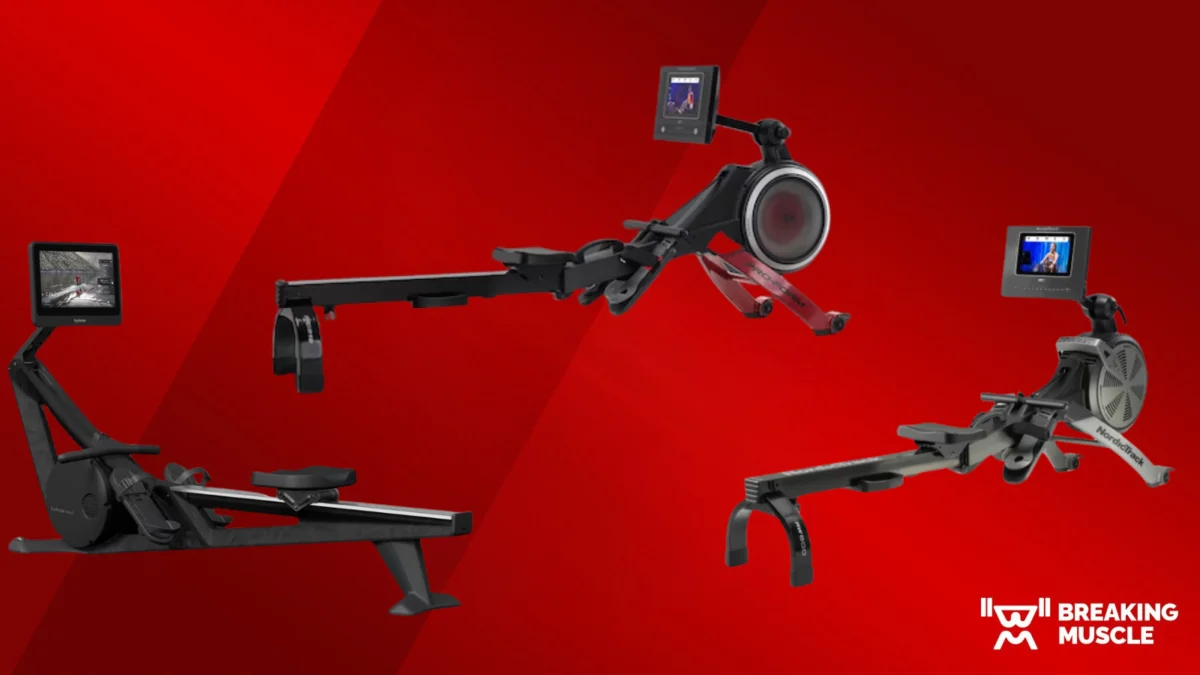
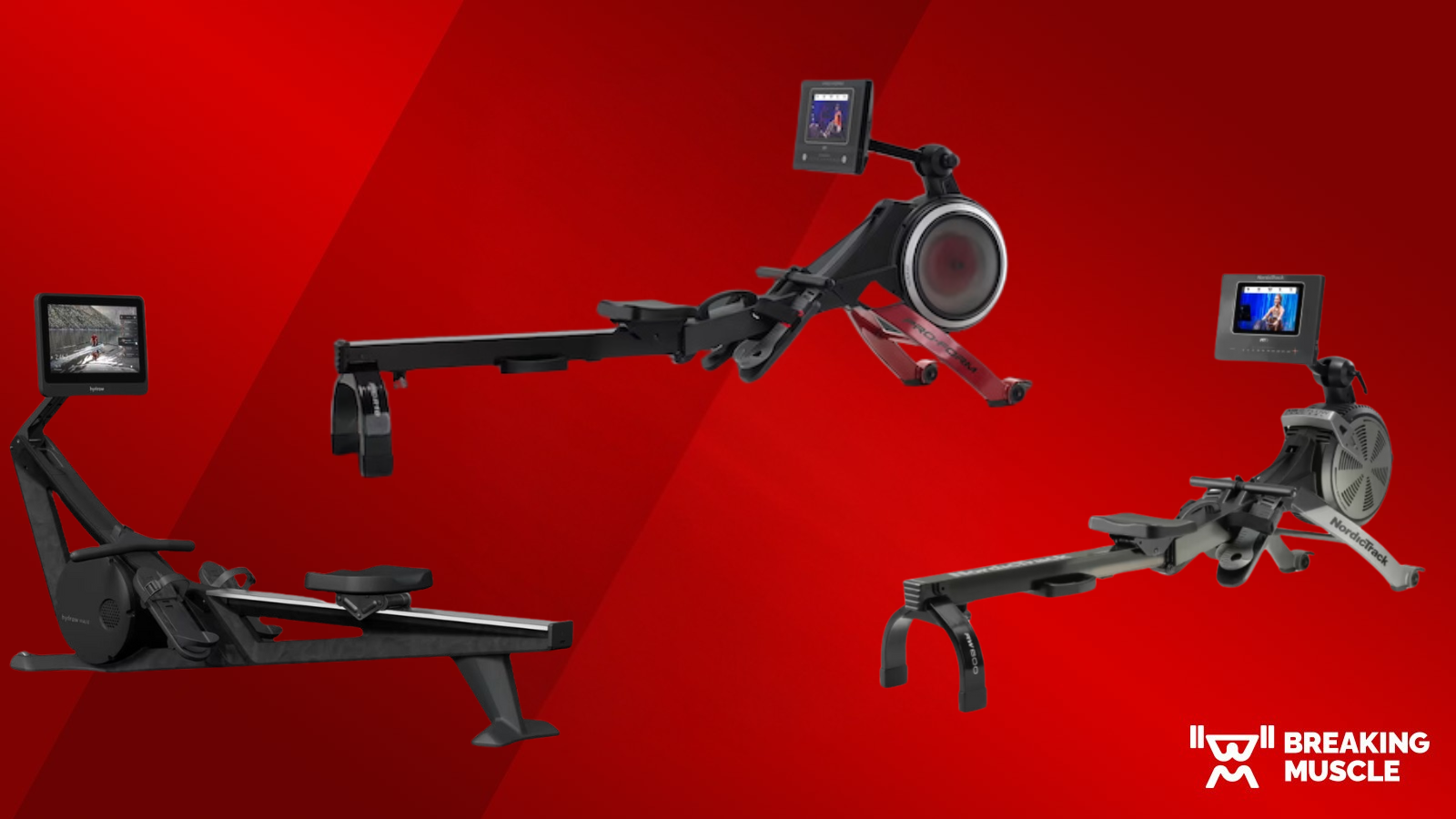
In a world brimming with fitness trends and complex workout routines, sometimes the most profound transformations come from the simplest, most fundamental movements. Enter the rowing machine – a seemingly unassuming piece of equipment that holds the key to unlocking a comprehensive, low-impact, full-body workout right in the comfort of your home. Whether you’re navigating the challenges of limited space, seeking an efficient way to boost your cardiovascular health, or aiming to sculpt a stronger, more resilient physique, the humble rower stands ready to revolutionize your fitness journey.
For beginners and intermediate fitness enthusiasts alike, the rowing machine, or ergometer, offers an unparalleled blend of strength, endurance, and flexibility. It engages a remarkable 86% of your body’s muscles in a fluid, rhythmic motion, making it a powerhouse for calorie burning, muscle toning, and overall physical conditioning. But beyond the impressive statistics, home rowing provides a unique opportunity to cultivate discipline, build mental fortitude, and discover a sustainable path to peak performance and lasting health.
This article is your definitive guide to mastering the art of home rowing. We’ll delve into the profound benefits of this incredible exercise, help you navigate the choices of equipment, meticulously break down the perfect stroke technique, and provide actionable workout plans to propel you from novice to a powerful, confident rower. Get ready to embrace the rhythmic challenge, discover new strengths, and flow towards a fitter, healthier you.
The Unrivaled Power of the Rowing Machine: Why It’s Your Next Fitness Essential
The allure of the rowing machine isn’t just in its efficiency; it’s in its holistic approach to fitness. Unlike many exercises that isolate specific muscle groups, rowing demands coordination and effort from nearly every part of your body, delivering a comprehensive workout that few other machines can match.
A Symphony of Muscles: The Full-Body Advantage
Imagine an exercise that simultaneously works your legs, core, back, and arms. That’s the magic of rowing. Each stroke is a dynamic sequence that activates a vast network of muscles:
- Legs (60%): Your glutes, hamstrings, and quadriceps initiate the powerful drive, pushing off the foot stretcher. This leg drive is the engine of your stroke, building incredible lower body strength and power.
- Core (20%): Your abdominal muscles and lower back engage to stabilize your torso throughout the movement, transmitting power from your legs to your upper body. A strong core is fundamental for efficient rowing and overall functional fitness.
- Upper Body (20%): Your lats (back muscles), rhomboids, traps, biceps, and triceps work in concert to pull the handle towards your body. This develops robust upper back strength, which is crucial for posture and preventing injuries, along with arm definition.
This integrated muscle engagement means you’re not just burning calories; you’re building a balanced, functional physique that’s stronger and more resilient in daily life.
Low-Impact, High-Reward: Protecting Your Joints
One of the most significant advantages of rowing, especially for beginners or those with joint concerns, is its low-impact nature. Unlike running or high-intensity plyometrics, rowing places minimal stress on your knees, ankles, and hips. The seated position and smooth, gliding motion protect your joints while still providing an intense cardiovascular and strength challenge.
This makes rowing an excellent option for:
- Individuals recovering from certain injuries (always consult a doctor or physical therapist).
- Those looking for a joint-friendly alternative to high-impact cardio.
- Anyone seeking a sustainable, long-term fitness solution that won’t wear down their body.
You get all the benefits of a vigorous workout without the associated wear and tear, allowing you to train consistently and safely for years to come.
The Cardiovascular Catalyst: Boosting Endurance
Rowing is an exceptional cardiovascular exercise. Maintaining a consistent rhythm and effort level quickly elevates your heart rate, strengthening your heart and lungs. Regular rowing sessions can lead to:
- Improved stamina: You’ll find everyday activities less tiring.
- Enhanced aerobic capacity: Your body becomes more efficient at using oxygen.
- Reduced risk of chronic diseases: A healthier heart means a healthier you.
Whether you’re aiming for a steady-state endurance row or high-intensity interval training (HIIT), the rowing machine adapts to your cardiovascular goals, pushing your limits and expanding your aerobic potential.
Beyond Cardio: Building Strength and Power
While often categorized as a cardio machine, the rowing machine is a formidable tool for building strength and power. By adjusting resistance levels and focusing on powerful leg drives, you can transform your cardio workout into a strength-building session. The concentric and eccentric contractions in your legs, core, and upper body during each stroke contribute to muscle hypertrophy and increased muscular endurance.
Incorporating rowing into your routine means you’re effectively combining two crucial pillars of fitness – cardiovascular health and strength training – into one efficient, time-saving workout.
Mental Fortitude: The Mind-Body Connection
Beyond the physical benefits, rowing offers a unique opportunity for mental engagement. The rhythmic, repetitive motion can be meditative, allowing you to clear your mind and focus on the present moment. The challenge of maintaining form, pacing, and effort builds mental resilience and discipline. As you push through fatigue, you’re not just strengthening your body; you’re sharpening your mental toughness and cultivating a powerful mind-body connection that extends far beyond the machine itself.
Choosing Your Perfect Oar: Navigating the World of Home Rowing Machines
Bringing a rowing machine into your home is an investment in your health. To ensure you choose the right partner for your fitness journey, it’s essential to consider several key factors beyond just the price tag.
Space Savvy: Prioritizing Your Footprint
One of the primary concerns for home fitness enthusiasts is space. While traditional rowing machines can be quite long, many modern designs are specifically engineered for smaller living areas. When considering your options, think about:
- Overall Footprint: Measure the length, width, and height of the dedicated space where your rower will be used. Ensure there’s enough room for comfortable movement.
- Storage Options: Many compact rowers feature innovative storage solutions:
- Folding Mechanisms: The rail can often fold vertically, significantly reducing the machine’s length for storage.
- Upright Storage: Some models can be tilted and stored vertically against a wall, minimizing their floor space when not in use.
- Transport Wheels: Look for machines with built-in wheels for easy maneuvering.
A well-chosen compact rower can fit seamlessly into an apartment, a spare room, or even a corner of your living area, making consistent workouts more achievable.
Understanding Resistance Types: Air, Magnetic, Water, and Hybrid
The type of resistance system dictates the feel, sound, and often the price of a rowing machine. Each has distinct characteristics:
- Air Resistance:
- How it works: A flywheel with fan blades spins as you pull, creating resistance based on how hard you row. The harder you pull, the more air resistance you encounter.
- Feel: Closely mimics the feel of rowing on water, offering a dynamic and responsive workout.
- Sound: Can be louder than other types due to the fan noise, which might be a consideration for shared living spaces.
- Best for: Those who prioritize a realistic rowing feel and enjoy dynamic resistance.
- Magnetic Resistance:
- How it works: Magnets interact with a flywheel, creating tension. Resistance levels are typically adjusted manually or electronically.
- Feel: Smooth and consistent, often quieter than air rowers.
- Sound: Very quiet operation, making it ideal for apartments or late-night workouts.
- Best for: Users who need a quiet machine and prefer consistent resistance levels for controlled workouts.
- Water Resistance:
- How it works: Paddles spin in a tank of water as you pull, creating resistance.
- Feel: Provides the most authentic "on-the-water" rowing experience, with the soothing sound of water sloshing. Resistance naturally increases with your effort.
- Sound: A pleasant, whooshing water sound.
- Best for: Those seeking an immersive, realistic rowing experience and who appreciate the natural resistance curve.
- Hybrid (Air & Magnetic):
- How it works: Combines elements of both air and magnetic resistance to offer a wider range of resistance and a smoother, quieter operation than pure air models.
- Feel: A blend of dynamic and controlled resistance.
- Sound: Generally quieter than pure air rowers, but with some fan noise.
- Best for: Users looking for versatility, a balance between realism and quietness, and precise control over resistance.
Consider your personal preferences for feel, noise level, and desired workout intensity when making your choice.
Display and Technology: What Matters for Your Journey
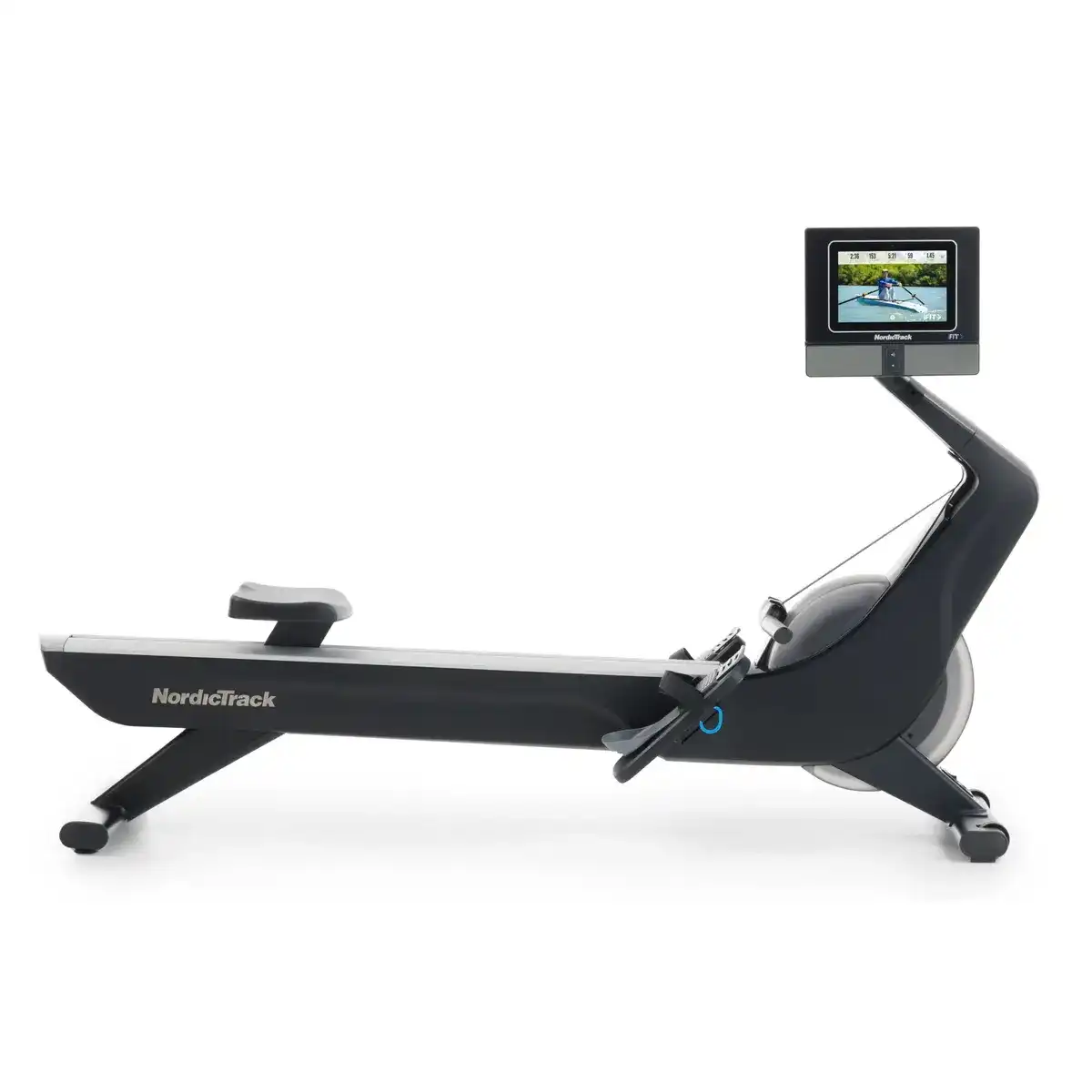
Modern rowing machines come with a range of technological features, from basic monitors to integrated HD touchscreens.
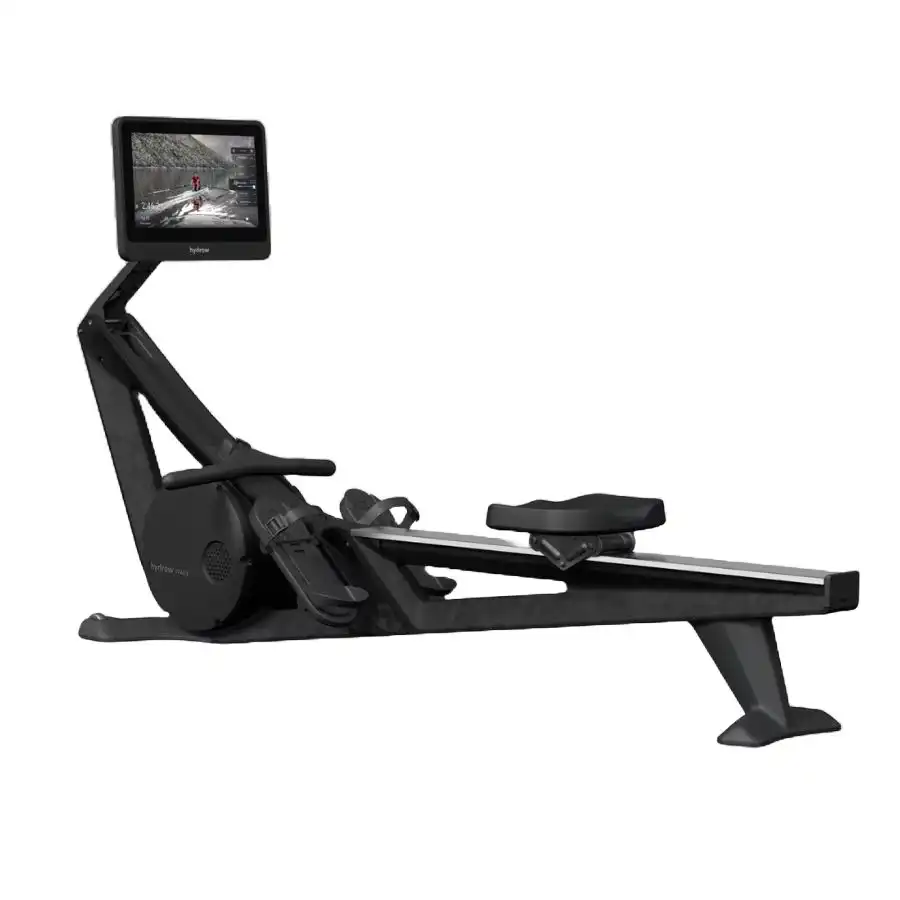
- Basic Displays: Typically show essential metrics like time, distance, strokes per minute, and calories burned. Sufficient for tracking progress and following simple workouts.
- Smart HD Touchscreens: Offer a more immersive experience with:
- Trainer-led classes: Live and on-demand workouts guided by instructors.
- Scenic rows: Virtual journeys through picturesque waterways.
- Advanced metrics: Power output (watts), heart rate connectivity, and detailed performance analytics.
- App integration: Syncing with fitness apps for tracking and community features.
While a high-tech screen can enhance motivation and provide structured guidance, a simpler display is perfectly adequate for effective training if you prefer to follow your own routines or use external apps on a tablet.
Comfort and Ergonomics: Your Ride Matters
A comfortable and ergonomically sound machine is crucial for sustained use and injury prevention. Look for:
- Molded Seat: A well-designed, padded seat that supports your sit bones and allows for a smooth glide.
- Adjustable Foot Straps/Pedals: Ensure your feet can be securely and comfortably positioned, with enough flexibility to pivot naturally during the stroke.
- Ergonomic Handlebar: A comfortable grip that prevents hand fatigue and blisters, allowing for a strong, consistent pull.
- Rail Length: Ensure the rail is long enough to accommodate your height, allowing for a full range of motion.
Prioritizing comfort means you’ll be more likely to stick with your rowing routine long-term.
Budgeting for Your Fitness Investment
Rowing machines vary widely in price, from a few hundred to several thousand dollars. While it’s tempting to opt for the cheapest option, remember that quality often correlates with durability, comfort, and features.
- Entry-Level (under $500): May offer basic functionality, manual resistance, and simpler displays. Good for occasional use or testing the waters.
- Mid-Range ($500-$1500): Typically offers better build quality, smoother operation, more resistance levels, and potentially smart features or hybrid resistance. Excellent value for regular users.
- High-End ($1500+): Features premium materials, advanced technology (HD screens, app integration), sophisticated resistance systems, and often a more refined user experience. Ideal for serious enthusiasts or those seeking an immersive fitness ecosystem.
Factor in potential additional costs like monthly subscription fees for trainer-led content, if that’s a feature you desire. A thoughtful budget ensures you get a machine that meets your needs without breaking the bank.
Mastering the Stroke: Your Blueprint for Effective Rowing
The beauty of rowing lies in its fluidity and efficiency, but achieving these requires understanding and practicing proper form. The rowing stroke is a continuous, cyclical movement divided into four distinct phases: the Catch, the Drive, the Finish, and the Recovery. Focusing on these phases will ensure you maximize your workout and minimize the risk of injury.
The Four Phases of a Powerful Stroke: Catch, Drive, Finish, Recovery
Think of the rowing stroke as a dance, where each step flows seamlessly into the next.
-
The Catch (Ready Position):
- Position: Shins vertical, knees bent, arms straight, shoulders relaxed. Your torso should be leaning slightly forward from the hips, with your core engaged. Your hands should grip the handle comfortably, not too tightly.
- Analogy: Imagine preparing to jump, coiled and ready to explode forward.
- Key Focus: Engage your core, keep your shins vertical, and maintain a slight forward lean. This is where you connect with the machine and prepare for the powerful drive.
-
The Drive (The Power Phase):
- Position: This is where the power comes from your legs. Push off the foot stretchers, extending your legs first. As your legs extend, hinge back slightly at the hips (torso leans back), and then pull the handle towards your lower ribs/upper abdomen.
- Sequence: Legs, then Core, then Arms. (Remember "Legs, Core, Arms" or "LCA").
- Analogy: Like pushing off a wall with your entire body, generating momentum.
- Key Focus: Lead with the legs, ensure a strong core connection, and finish the pull with your arms. Your back should remain straight, avoiding any rounding or excessive arching.
-
The Finish (The End of the Drive):
- Position: Legs fully extended, torso leaning slightly back (around 11 o’clock if 12 o’clock is upright), handle at your lower ribs/upper abdomen, elbows close to your body. Shoulders should be relaxed and down.
- Analogy: A momentary pause, like the end of a perfect jump, poised and balanced.
- Key Focus: Maintain a strong, stable position. Your core should be actively engaged to support your leaned-back torso. This is the moment of maximum muscular contraction.
-
The Recovery (Returning to the Catch):
- Position: This is the reverse of the drive, but the sequence is different. First, extend your arms forward away from your body. Once your hands clear your knees, hinge forward at the hips, bringing your torso back to a slight forward lean. Finally, allow your knees to bend, sliding the seat forward towards the catch position.
- Sequence: Arms, then Core, then Legs. (Remember "Arms, Core, Legs" or "ACL").
- Analogy: A controlled, graceful reset, preparing for the next powerful stroke.
- Key Focus: Control the return; don’t rush. Ensure your arms are straight before your body hinges forward, and your body is hinged forward before your knees bend. This prevents your hands from hitting your knees.
The Rhythm: The stroke should have a powerful drive and a controlled recovery. A good rhythm is often described as a 1:2 ratio – the drive takes one count, and the recovery takes two counts. For example, "Push-Pull" (drive) and "Arms-Body-Legs" (recovery).
Common Mistakes and How to Avoid Them
Even experienced rowers can fall into bad habits. Being aware of common pitfalls can significantly improve your form and prevent discomfort.
- "Catching a Crab" (Rounding the Back): Leaning too far forward or collapsing your core at the catch.
- Fix: Keep your spine long and core engaged throughout. Hinge from the hips, not the lower back.
- "Arm Pulling" (Pulling with Arms Too Early): Initiating the drive with your arms instead of your legs.
- Fix: Focus intensely on the "Legs, Core, Arms" sequence. Feel the power come from your push through the foot stretchers.
- "Rushing the Recovery": Hurrying back to the catch, often leading to a jerky motion or improper sequencing.
- Fix: Emphasize the "Arms, Core, Legs" sequence. Take your time on the recovery (1:2 ratio). It’s your active rest.
- "Opening Up Too Early": Leaning your torso back before your legs are fully extended.
- Fix: Prioritize full leg extension before hinging your torso back. Let the legs do their work first.
- "Bent Arms at the Catch": Not fully extending your arms forward at the catch.
- Fix: Ensure your arms are completely straight before your knees start to bend on the recovery.
Practice makes perfect. Start slowly, focusing intently on each phase and transition. Record yourself if possible, or use a mirror to check your form.
Adjusting Your Machine for Optimal Performance
A few simple adjustments can make a big difference in your comfort and stroke efficiency:
- Foot Straps: Position the strap across the widest part of your foot, just below your toes. This allows you to drive effectively without your feet slipping.
- Damper Setting (Air Rowers): The damper lever controls the amount of air entering the flywheel, affecting the "feel" of the stroke. It’s not a resistance setting in the same way as magnetic resistance. A higher damper setting allows more air in, making the stroke feel heavier, like a larger boat. A lower setting makes it feel lighter, like a smaller boat. Most beginners find a setting of 3-5 to be a good starting point for a smooth, efficient stroke. Experiment to find what feels natural for you.
- Monitor Settings: Familiarize yourself with how to reset the monitor, change display metrics (time, distance, pace, strokes per minute, watts), and connect any heart rate monitors.
Beyond the Basics: Progressive Rowing Workouts for Every Level
Once you’ve grasped the fundamentals of the rowing stroke, it’s time to put your skills to the test with structured workouts. The beauty of rowing is its versatility; you can tailor sessions to focus on endurance, strength, or power, adapting to your current fitness level and goals.
The Beginner’s Launchpad: Building a Foundation
For those new to rowing, the initial focus should be on consistent form and building a base level of fitness. Don’t worry about speed or distance initially.
Workout Goal: Establish proper form, build cardiovascular endurance, and introduce muscular conditioning.
Example Beginner Workout (3-4 times per week):
- Warm-up (5 minutes):
- Light rowing at a very easy pace (Rating of Perceived Exertion (RPE) 2-3 out of 10). Focus on smooth, deliberate movements.
- Include some dynamic stretches off the rower: arm circles, leg swings, torso twists.
- Main Set (20 minutes):
- Intervals: Row for 3 minutes at a moderate, consistent pace (RPE 4-5). Focus on maintaining excellent form.
- Rest: Step off the rower or light active recovery (e.g., walking) for 2 minutes.
- Repeat: 4 times.
- Tip: If 3 minutes is too long, start with 1-2 minutes of rowing and 1 minute of rest. Gradually increase rowing time as you get fitter.
- Cool-down (5 minutes):
- Very light rowing, gradually decreasing intensity (RPE 1-2).
- Static stretches off the rower: hamstring stretch, quad stretch, chest stretch, back extension.
Actionable Advice: Keep a water bottle nearby. Don’t be afraid to pause and check your form in a mirror if you have one. Your focus is consistency and comfort.
Intermediate Intensity: Elevating Your Endurance and Strength
Once you’re comfortable with the basic stroke and can maintain a steady pace for 20-30 minutes, it’s time to introduce more varied workouts and increase intensity.
Workout Goal: Improve cardiovascular endurance, increase power output, and enhance muscular strength.
Example Intermediate Workout (3-4 times per week):
- Warm-up (8 minutes):
- 5 minutes easy rowing, gradually increasing intensity (RPE 3-4).
- 3 minutes dynamic stretches and light bodyweight movements (e.g., air squats, lunges).
- Main Set (30-40 minutes – choose one option):
- Option A: Pyramid Intervals for Power & Endurance (30 minutes)
- Row 2 minutes hard (RPE 7-8), 1 minute easy (RPE 3-4)
- Row 3 minutes hard (RPE 7-8), 1.5 minutes easy (RPE 3-4)
- Row 4 minutes hard (RPE 7-8), 2 minutes easy (RPE 3-4)
- Row 3 minutes hard (RPE 7-8), 1.5 minutes easy (RPE 3-4)
- Row 2 minutes hard (RPE 7-8), 1 minute easy (RPE 3-4)
- Option B: Distance Challenge (40 minutes)
- Row a set distance (e.g., 5,000 meters) at a challenging but sustainable pace (RPE 6-7). Aim to improve your time each week.
- Alternatively, row for a set time (e.g., 30 minutes) and try to cover more distance each session.
- Option A: Pyramid Intervals for Power & Endurance (30 minutes)
- Cool-down (7 minutes):
- 5 minutes very light rowing.
- 2 minutes static stretching, holding each stretch for 20-30 seconds.
Actionable Advice: Start incorporating a heart rate monitor to track your zones. Experiment with damper settings (if applicable) or magnetic resistance levels to find the sweet spot for challenging but manageable efforts.
Advanced Challenges: Pushing Your Limits
For those seeking to maximize performance, advanced rowing involves higher intensity interval training (HIIT), longer distances, and complex workout structures. This might include sprint intervals, specific watt targets, or even combining rowing with other exercises for a circuit.
Example Advanced Principle: Short, intense intervals (e.g., 30 seconds max effort, 90 seconds rest, repeat 8-10 times) or long, sustained power pieces. Always prioritize form, especially during high intensity.
Incorporating Rowing into a Holistic Fitness Routine
Rowing doesn’t have to be your only workout. It integrates beautifully with other forms of exercise:
- Strength Training: Pair rowing with bodyweight exercises (push-ups, squats, planks) or free weights for a balanced strength program.
- Flexibility & Mobility: Complement your rowing with yoga, Pilates, or dedicated stretching sessions to improve range of motion and prevent muscle imbalances.
- Cross-Training: Alternate rowing days with activities like cycling, swimming, or hiking to engage different muscle groups and keep your routine fresh.
A holistic approach ensures you develop well-rounded fitness and maintain long-term health.
Maximizing Your Home Rowing Experience: Tips for Success
Having a rowing machine at home is a fantastic start, but maximizing its potential requires more than just showing up. These tips will help you stay motivated, consistent, and get the most out of every stroke.
Consistency is Key: Building a Routine
The most effective workout is the one you actually do. Make rowing a non-negotiable part of your week.
- Schedule It: Block out specific times in your calendar for your rowing sessions, just like any other important appointment.
- Start Small: If daily workouts seem daunting, aim for 3-4 times a week. Even 15-20 minutes of consistent rowing is better than sporadic hour-long sessions.
- Create a Dedicated Space: Keep your rower easily accessible and ready for use. The less friction to starting a workout, the more likely you are to do it.
Hydration and Nutrition: Fueling Your Efforts
Your body is a machine, and it needs the right fuel and maintenance.
- Stay Hydrated: Drink plenty of water throughout the day, especially before, during, and after your workouts. Dehydration can significantly impact performance and recovery.
- Balanced Nutrition: Focus on a diet rich in whole foods – lean proteins for muscle repair, complex carbohydrates for energy, and healthy fats for overall health.
- Pre-Workout Fuel: A light snack (e.g., banana, oatmeal) 60-90 minutes before your workout can provide sustained energy.
- Post-Workout Recovery: A combination of protein and carbohydrates within 30-60 minutes after your workout helps with muscle recovery and replenishment.
Listening to Your Body: Rest and Recovery
Pushing yourself is important, but so is knowing when to rest.
- Prioritize Sleep: Adequate sleep is crucial for muscle repair, hormone regulation, and mental clarity. Aim for 7-9 hours per night.
- Active Recovery: On rest days, engage in light activities like walking, gentle stretching, or foam rolling to promote blood flow and reduce muscle soreness.
- Recognize Overtraining Signs: Persistent fatigue, decreased performance, irritability, and chronic soreness are signals that you might need more rest. Don’t be afraid to take an extra rest day or reduce intensity.
Tracking Your Progress: Motivation Through Metrics
Seeing your improvements is a powerful motivator.
- Log Your Workouts: Use your machine’s monitor, a fitness app, or a simple notebook to record key metrics like distance, time, average pace, and total calories burned.
- Set Realistic Goals: Whether it’s rowing a certain distance faster, increasing your workout duration, or achieving a new personal best in watts, having specific, measurable goals keeps you focused.
- Celebrate Milestones: Acknowledge your progress, no matter how small. Every step forward is a victory on your fitness journey.
Making It Fun: Music, Virtual Scenery, and Community
Exercise shouldn’t feel like a chore. Find ways to make your rowing sessions enjoyable.
- Curate a Killer Playlist: Upbeat music can significantly boost your energy and motivation.
- Explore Virtual Scenery: If your rower has a screen or you use a tablet, try virtual rowing apps that take you through stunning real-world waterways.
- Join an Online Community: Many rowing brands and fitness apps offer online communities where you can connect with other rowers, share tips, and participate in challenges. A little friendly competition or shared encouragement can go a long way.
Conclusion: Embrace the Flow, Forge Your Future
The journey to peak performance and enduring health is a continuous one, and the rowing machine offers a powerful, efficient, and deeply rewarding path forward. From its unparalleled ability to engage nearly every muscle in your body to its joint-friendly nature and profound cardiovascular benefits, home rowing stands as a testament to the power of a simple, fundamental movement done consistently and correctly.
You now possess the knowledge to choose the right machine, master the intricacies of the perfect stroke, design effective workouts, and cultivate the habits that will transform your fitness experience. Remember, every stroke