In a world brimming with fleeting fitness trends and an overwhelming array of workout philosophies, it’s easy to feel lost, perpetually searching for the "perfect" routine. Many embark on fitness journeys with enthusiasm, only to find themselves plateauing, losing motivation, or worse, succumbing to injury. The secret to enduring success, robust health, and a truly transformed physique isn’t about chasing the latest fad or isolating every muscle group with surgical precision. Instead, it lies in an integrated approach: harnessing the immense power of full-body, high-intensity training.
This method isn’t just about burning calories; it’s about building a more resilient, functional, and powerful you. It’s about igniting your internal engine, challenging your limits, and reaping the rewards of efficiency and effectiveness. Whether you’re just lacing up your first pair of trainers or you’re an intermediate enthusiast looking to shatter plateaus, this comprehensive guide will equip you with the knowledge, strategies, and mindset to master an integrated training approach. Prepare to optimize your time, elevate your performance, and cultivate a fitness lifestyle that delivers profound, lasting results.
The Pillars of Integrated Training: Why Full-Body and High-Intensity Work?
To truly understand and embrace integrated training, we must first appreciate the foundational principles that make it so potent. This approach capitalizes on the body’s natural design, promoting holistic development rather than fragmented gains.
Beyond Isolation: The Power of Full-Body Engagement
For decades, the fitness landscape has been dominated by "bro splits" – dedicating entire workout sessions to a single muscle group, like "chest day" or "arm day." While these can have their place in advanced bodybuilding, they often overlook the synergistic nature of human movement and can be inefficient for general fitness, strength, and endurance goals, especially for beginners and intermediates.
Full-body training, in contrast, involves working multiple major muscle groups across the body within a single session. This mimics real-world movements and optimizes your body’s physiological responses.
Key Benefits of Full-Body Workouts:
- Increased Calorie Burn: By engaging more muscles simultaneously, your body expends significantly more energy during and after your workout. This leads to a higher metabolic rate, aiding in fat loss and overall energy expenditure.
- Enhanced Hormonal Response: Full-body exercises, especially compound movements, stimulate a greater release of anabolic hormones like testosterone and growth hormone. These hormones are crucial for muscle growth, fat loss, and recovery.
- Improved Functional Strength: Life doesn’t happen in isolation. Carrying heavy groceries, lifting a child, or climbing stairs all require multiple muscle groups to work together. Full-body training builds strength that translates directly into improved daily function and reduced injury risk.
- Better Coordination and Balance: When different muscle groups work in concert, your nervous system learns to coordinate their efforts more effectively. This improves proprioception (your body’s awareness in space) and overall athletic ability.
- Time Efficiency: For those with busy schedules, full-body workouts offer maximum impact in minimal time. Instead of needing 5-6 sessions a week, you can achieve significant progress with 2-4 well-structured full-body sessions.
Real-Life Example: Think about the difference between doing a bicep curl (isolating the bicep) and doing a deadlift (engaging your back, glutes, hamstrings, core, and forearms). While both have their place, the deadlift provides a far more comprehensive stimulus, building strength that is directly applicable to lifting heavy objects safely in everyday life.
The Intensity Spectrum: Understanding High-Intensity Training (HIT)
Intensity is a subjective but critical component of effective training. High-Intensity Training (HIT) refers to periods where you push your body to a near-maximal effort, making your muscles work harder than they’re accustomed to. This isn’t just about speed; it’s about challenging your perceived limits.
It’s important to distinguish between general HIT and High-Intensity Interval Training (HIIT). HIIT is a specific protocol involving short bursts of intense anaerobic exercise followed by brief recovery periods. While HIIT is a form of HIT, not all HIT must be interval-based. The core principle is pushing hard when it counts.
Why High-Intensity Training is a Game Changer:
- Superior Cardiovascular Health: HIT rapidly elevates your heart rate, strengthening your heart muscle and improving your body’s ability to utilize oxygen efficiently.
- The "Afterburn Effect" (EPOC): Exercise Post-exercise Oxygen Consumption (EPOC) means your body continues to burn calories at an elevated rate for hours after a high-intensity workout as it recovers and repairs. This contributes significantly to fat loss.
- Boosted Endurance and Stamina: Regularly pushing past your comfort zone improves both your muscular and cardiovascular endurance, allowing you to sustain effort for longer periods.
- Mental Toughness and Resilience: High-intensity efforts are as much a mental challenge as they are physical. Pushing through discomfort builds mental fortitude that spills over into other areas of life.
- Optimized Muscle Growth: The significant metabolic stress and muscle fiber recruitment associated with HIT are powerful triggers for muscle protein synthesis and growth.
Caution: High-intensity training demands proper form and a gradual progression. Jumping into maximal efforts without a solid foundation can lead to injury. Always listen to your body and prioritize quality over quantity. For beginners, "high intensity" might simply mean getting slightly out of breath and feeling a burn, rather than sprinting at full speed.
Crafting Your Integrated Workout Blueprint
Now that we understand the "why," let’s delve into the "how." Building an effective integrated workout involves selecting the right movements, structuring your sessions intelligently, and incorporating diverse elements to keep your body challenged.
Foundational Movements: Your Core Arsenal
The cornerstone of full-body, high-intensity training lies in compound movements – exercises that involve multiple joints and muscle groups working together. These are the most efficient and effective movements for building strength, muscle, and functional fitness.
Essential Bodyweight Movements (for all levels):
- Squats: Target glutes, quads, hamstrings, and core. Variations include air squats, goblet squats (holding a light weight), jump squats.
- Push-ups: Work chest, shoulders, triceps, and core. Variations: knee push-ups, incline push-ups (hands on an elevated surface), standard push-ups, decline push-ups.
- Lunges: Focus on glutes, quads, and hamstrings, also improving balance. Variations: forward lunges, reverse lunges, walking lunges.
- Planks: Crucial for core strength and stability. Variations: forearm plank, high plank, side plank.
- Burpees: The ultimate full-body conditioning exercise, combining a squat, push-up, and jump.
Essential Free Weight Movements (for intermediate levels, with proper form):
- Deadlifts (light to moderate weight): Engages almost every muscle in the posterior chain (back, glutes, hamstrings) and grip strength. Start with Romanian deadlifts or kettlebell swings to master the hip hinge.
- Overhead Press: Develops shoulder and tricep strength, engages core. Can be done with dumbbells, kettlebells, or a barbell.
- Rows (Dumbbell or Barbell): Targets the back muscles (lats, rhomboids) and biceps. Essential for balanced upper body strength.
Actionable Advice: Before adding intensity or weight, prioritize mastering the correct form for each exercise. Watch instructional videos, use a mirror, or even record yourself to check your technique. A strong foundation prevents injury and ensures you’re effectively targeting the intended muscles.
Structuring Your Sessions: Blending Intensity and Volume
An integrated workout session typically combines strength-focused compound movements with bursts of cardio or metabolic conditioning, all performed with high effort.
A Typical Session Flow:
- Dynamic Warm-up (5-10 minutes):
- Start with light cardio (jogging in place, jumping jacks).
- Perform dynamic stretches: arm circles, leg swings, torso twists, cat-cow stretches. The goal is to prepare your joints and muscles for movement, not static stretching.
- Main Set (30-45 minutes): This is where the magic happens.
- Circuit Training: This is a highly effective way to blend full-body and high-intensity principles. Perform a series of 3-5 exercises back-to-back with minimal rest between exercises. Once you complete one round of all exercises, rest for 60-90 seconds, then repeat for 3-5 rounds.
- Example Beginner/Intermediate Circuit:
- Air Squats (10-15 reps)
- Push-ups (as many reps as possible with good form)
- Reverse Lunges (8-12 reps per leg)
- Plank (30-60 seconds hold)
- Jumping Jacks or Mountain Climbers (30-45 seconds)
- Rest 60-90 seconds, repeat 3-4 times.
- Example Beginner/Intermediate Circuit:
- Time-Based Workouts:
- AMRAP (As Many Rounds As Possible): Choose a set of exercises and a specific time (e.g., 15-20 minutes). Complete as many rounds of the circuit as you can with good form within that time. This naturally drives intensity.
- EMOM (Every Minute On the Minute): At the top of each minute, perform a specific number of reps for an exercise (e.g., 5 burpees). The remainder of the minute is your rest. If you finish quickly, you get more rest; if you struggle, your rest shrinks, driving intensity. This is excellent for specific skill work or short, intense bursts.
- Circuit Training: This is a highly effective way to blend full-body and high-intensity principles. Perform a series of 3-5 exercises back-to-back with minimal rest between exercises. Once you complete one round of all exercises, rest for 60-90 seconds, then repeat for 3-5 rounds.
- Cool-down (5-10 minutes):
- Light cardio to bring your heart rate down.
- Static stretches: hold each stretch for 20-30 seconds, focusing on major muscle groups worked (quads, hamstrings, chest, back). This helps improve flexibility and aids recovery.
The Role of Cardio: Elevating Your Heart Rate
While full-body compound movements inherently provide a cardiovascular challenge, dedicated cardio bursts are essential for truly hitting high-intensity targets and enhancing stamina.
- Integrated Bursts: Incorporate exercises like burpees, jumping jacks, mountain climbers, high knees, or jump rope between strength exercises or as part of a circuit. These quick, explosive movements rapidly elevate your heart rate.
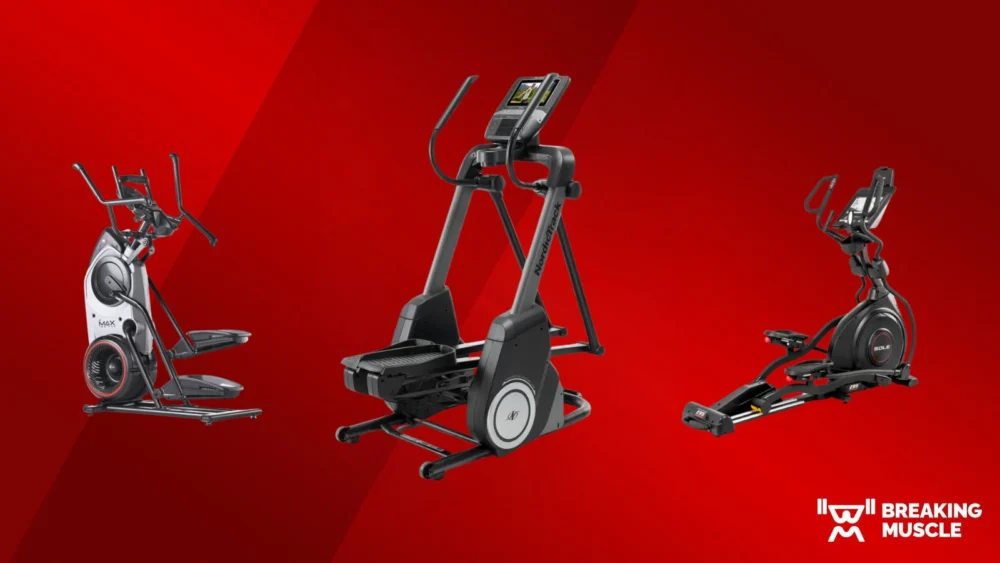
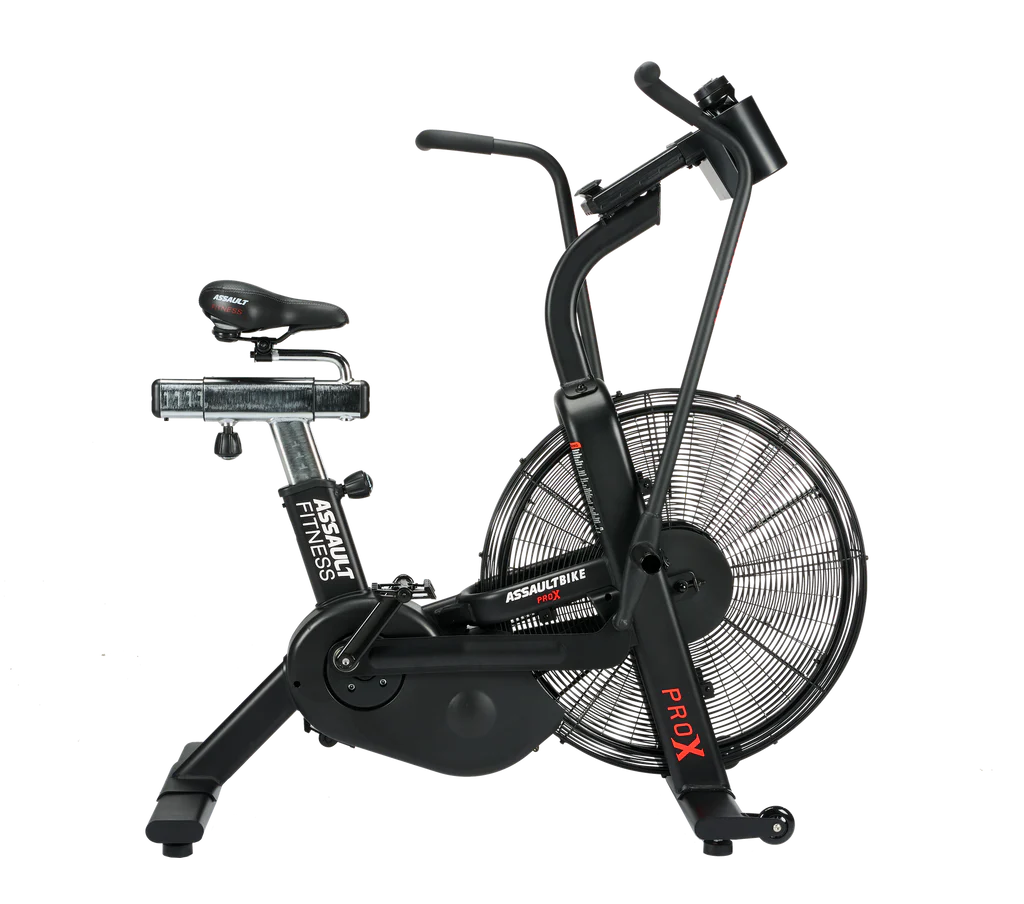
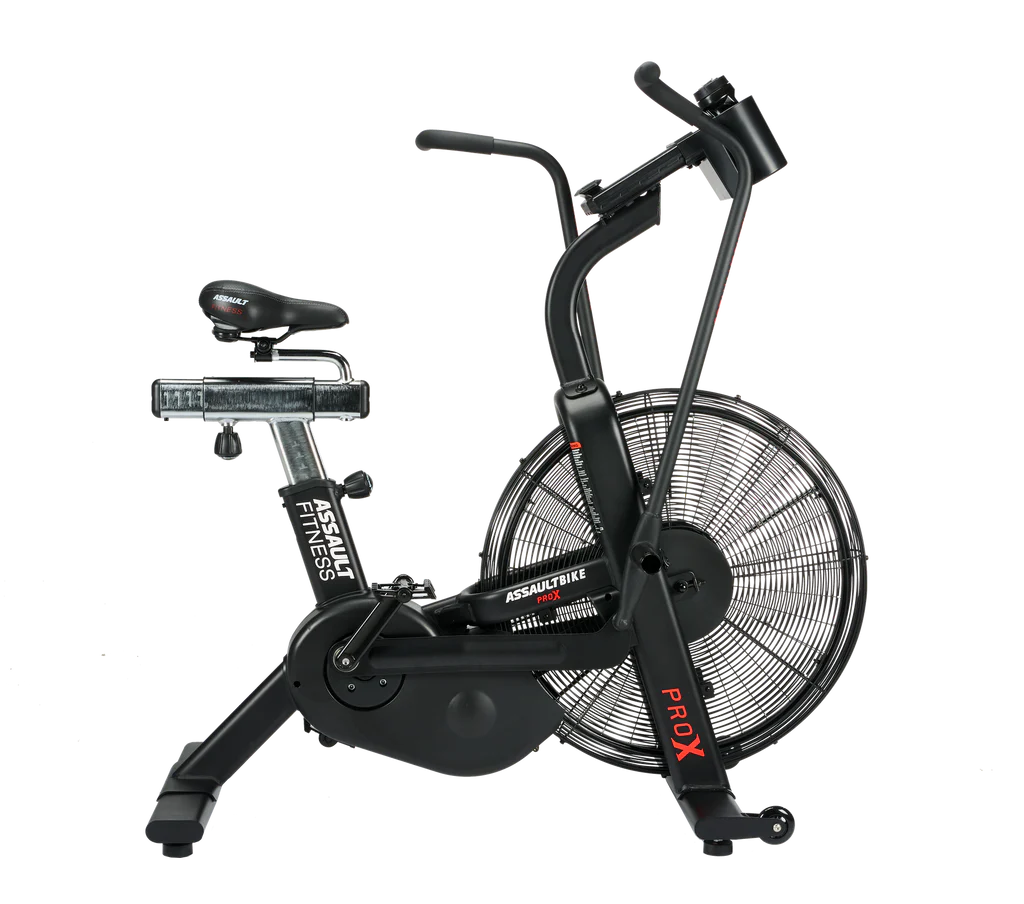
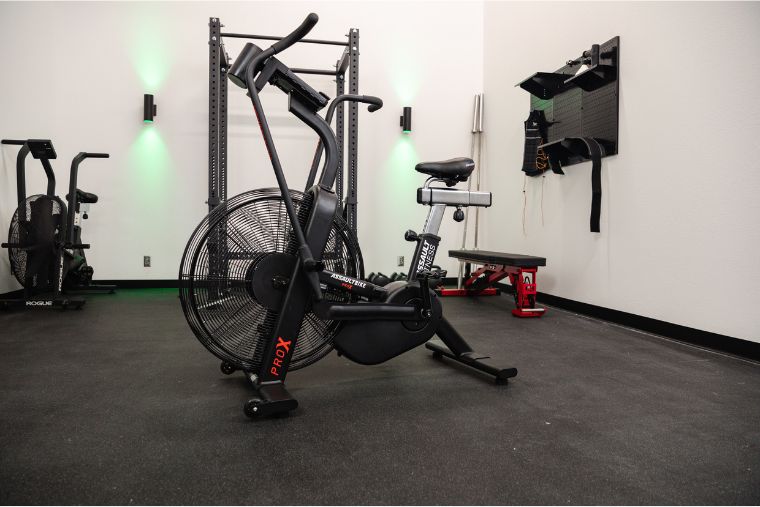
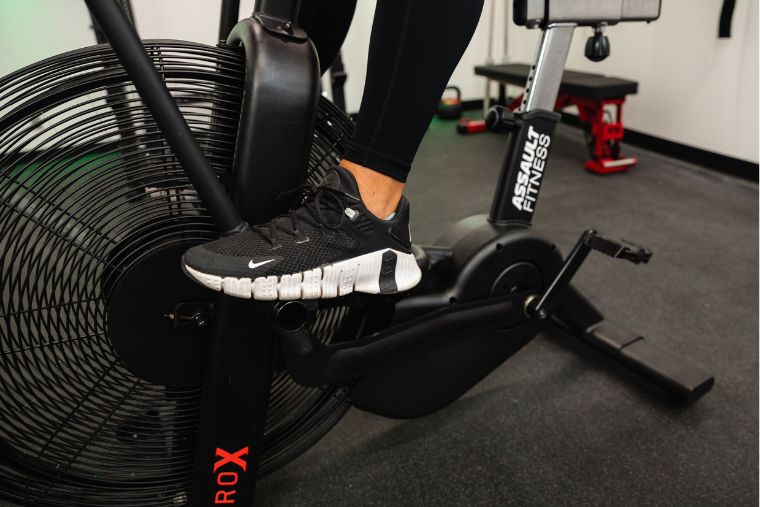
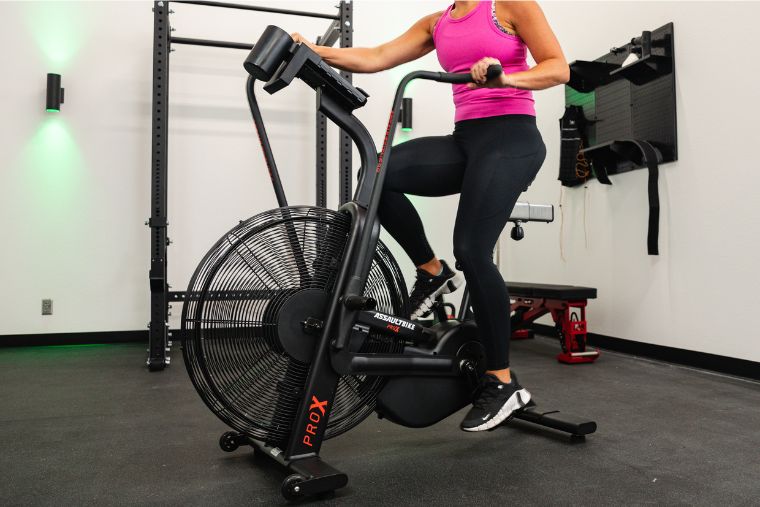
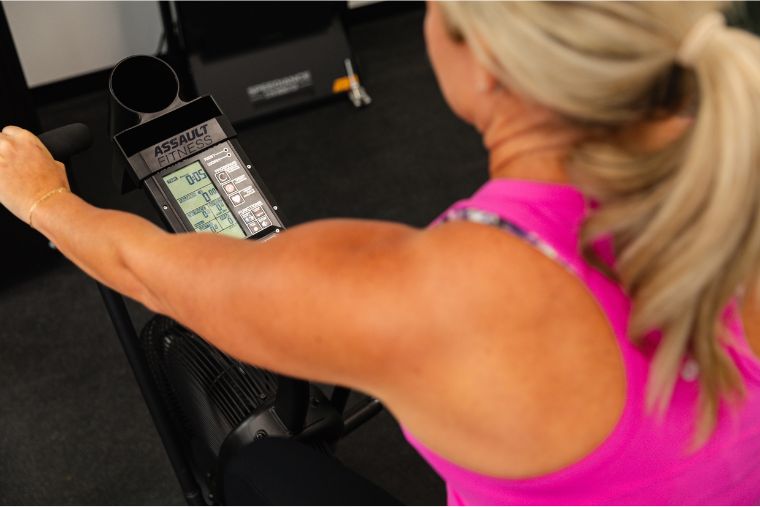
- Equipment-Based Cardio: If you have access to equipment, use it for short, intense intervals. An air bike, for instance, is fantastic for its full-body, high-resistance nature, allowing you to push hard for 30-60 seconds, rest, and repeat. Rowers, treadmills (sprints), or elliptical machines can also serve this purpose effectively. The key is to maintain a high level of effort during these bursts.
- Sustained Effort: During the high-intensity phases, focus on maintaining a consistent, challenging pace. Don’t just go through the motions; actively push yourself to the point where you’re breathless and your muscles are burning. This is where adaptation truly occurs.
Practical Strategies for Sustainable Progress
Building a formidable engine requires more than just showing up for workouts. It demands a holistic approach that encompasses progressive challenges, mindful nutrition, adequate recovery, and an unbreakable mindset.
Progressive Overload: The Key to Continuous Growth
Your body is an incredible adapter. To keep getting stronger, fitter, and more capable, you must continuously provide it with a new stimulus. This principle is called progressive overload. If you do the same workout with the same intensity every time, your progress will inevitably stall.
How to Apply Progressive Overload:
- Increase Reps: Aim to do one or two more repetitions than last time for a given exercise.
- Increase Sets: Add an extra set to your routine.
- Increase Weight/Resistance: Once you can comfortably complete your target reps with good form, gradually increase the weight (e.g., use heavier dumbbells, a resistance band).
- Decrease Rest Time: Shorten the rest periods between sets or exercises to increase the metabolic demand.
- Improve Form/Control: Focus on slowing down the eccentric (lowering) phase of an exercise, or ensuring perfect technique, which makes the exercise more challenging.
- Increase Frequency: If your recovery allows, add an extra workout day per week.
- More Complex Variations: Progress from knee push-ups to standard push-ups, or from air squats to jump squats.
Real-Life Example: If you did 3 sets of 10 squats last week, this week try 3 sets of 11 or 12. Or, if that feels too easy, add a light dumbbell for goblet squats. Small, consistent increases add up to significant long-term gains.
Nutrition: Fueling Your High-Performance Engine
You can’t out-train a poor diet. Nutrition is the fuel that powers your workouts, repairs your muscles, and enables your body to adapt and grow.
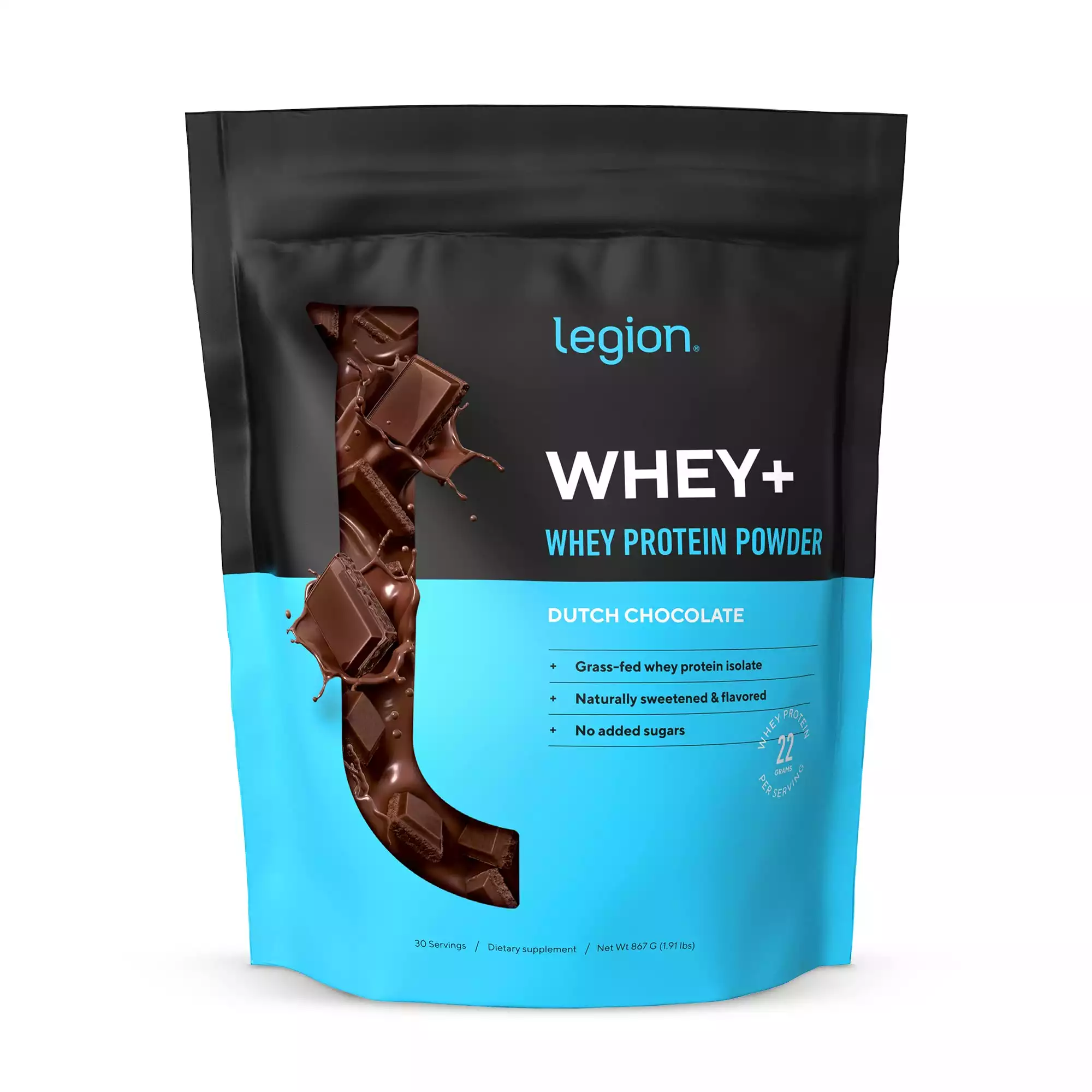
- Protein for Repair and Growth: Aim for adequate protein intake (e.g., 0.7-1 gram per pound of body weight) to support muscle repair and synthesis. Lean meats, poultry, fish, eggs, dairy, legumes, and plant-based protein sources are excellent choices.
- Complex Carbohydrates for Energy: Carbs are your body’s primary energy source, especially for high-intensity efforts. Focus on whole grains, fruits, vegetables, and legumes to provide sustained energy.
- Healthy Fats for Hormonal Balance and Overall Health: Include sources like avocados, nuts, seeds, olive oil, and fatty fish. These are crucial for hormone production and nutrient absorption.
- Hydration is Non-Negotiable: Dehydration impairs performance, cognition, and recovery. Drink plenty of water throughout the day, and even more around your workouts. Aim for clear urine.
Actionable Advice: Plan your meals in advance. Focus on whole, unprocessed foods. Ensure each meal contains a balance of protein, complex carbs, and healthy fats. Listen to your body’s hunger and fullness cues.
Rest and Recovery: The Unsung Heroes
Many beginners and intermediates overlook the critical role of rest and recovery. Intense training breaks down muscle tissue; recovery is when your body rebuilds it stronger. Without adequate rest, you risk overtraining, injury, and burnout.
- Prioritize Sleep: Aim for 7-9 hours of quality sleep per night. This is when your body does the most significant repair work, hormone regulation, and mental restoration.
- Schedule Rest Days: Integrate 1-3 full rest days into your weekly routine. These are days with no structured exercise.
- Active Recovery: On lighter days or between intense sessions, engage in active recovery. This could be a leisurely walk, light stretching, foam rolling, or gentle yoga. Active recovery helps improve blood flow and reduce muscle soreness without adding significant stress.
- Listen to Your Body: Pay attention to persistent soreness, fatigue, irritability, or decreased performance. These are signs that you might need more rest.
Mindset Matters: Cultivating Resilience
Your physical fitness journey is deeply intertwined with your mental game. A strong mindset is what keeps you going when motivation wanes and challenges arise.
- Set Realistic and Measurable Goals: Instead of "get fit," aim for "complete 3 full-body workouts per week for 8 weeks" or "do 10 unassisted push-ups by month 3."
- Track Your Progress: Keep a workout journal. Note exercises, reps, sets, weights, and even how you felt. Seeing your progress in black and white is incredibly motivating.
- Embrace Challenges: View tough workouts or plateaus as opportunities for growth, not failures. Every struggle makes you stronger.
- Listen to Your Body (Again!): It’s okay to scale back when you’re genuinely fatigued or ill. Pushing through pain can lead to injury; pushing through discomfort builds strength. Learn the difference.
- Find Your Community/Accountability: Whether it’s a workout buddy, a class, or an online group, sharing your journey can provide invaluable support and motivation.
Common Pitfalls and How to Avoid Them
Even with the best intentions, certain mistakes can derail your integrated training efforts. Being aware of these common pitfalls will help you navigate your journey more smoothly.
Overtraining and Burnout
The allure of "more is better" can lead to overtraining, especially with high-intensity workouts.
- Symptoms: Chronic fatigue, persistent muscle soreness, decreased performance, increased irritability, difficulty sleeping, frequent illness.
- Solution:
- Schedule Deload Weeks: Every 4-8 weeks, reduce your workout volume and intensity by 30-50% for a week to allow your body to fully recover and adapt.
- Prioritize Sleep and Nutrition: As discussed, these are your primary recovery tools.
- Vary Your Intensity: Not every workout needs to be a maximal effort. Incorporate some moderate-intensity sessions.
Neglecting Form for Speed or Weight
The desire to lift heavier or move faster can often lead to sacrificing proper technique.
- Consequences: Increased risk of injury, ineffective muscle activation, limiting long-term progress.
- Solution:
- Start Light: Always begin with a weight or intensity that allows you to perform the exercise with perfect form.
- Focus on Control: Emphasize the mind-muscle connection. Feel the muscles working.
- Use Feedback: Record yourself, use mirrors, or ask a knowledgeable spotter/trainer to check your form.
Inconsistent Effort
Sporadic workouts or going through the motions without true effort will yield sporadic results.
- Impact: Stagnation, lack of progress, demotivation.
- Solution:
- Make Workouts Non-Negotiable: Treat your training sessions like important appointments.
- Find What You Enjoy: While integrated training is effective, find variations of exercises or workout structures that you genuinely find engaging. Enjoyment fuels consistency.
- Set Small, Achievable Goals: Consistent small wins build momentum and reinforce positive habits.
Conclusion: Unleash Your Untapped Potential
The journey to a fitter, stronger, and more resilient self is a continuous one, built not on shortcuts but on consistent, intelligent effort. By embracing the principles of full-body, high-intensity training, you’re not just performing exercises; you’re investing in a powerful, efficient, and sustainable approach to fitness. You’re building an engine that’s ready to tackle any challenge life throws your way.
Remember, every rep counts, every challenging breath builds stamina, and every moment of discomfort overcome strengthens your resolve. This integrated method is your blueprint for breaking free from plateaus, maximizing your time, and unlocking a level of physical and mental capability you might not have known you possessed.
Begin today. Master your foundational movements, push your intensity with purpose, fuel your body wisely, prioritize recovery, and cultivate a mindset of unwavering resilience. The power to transform your body and elevate your life is within you. Ignite your engine, embrace the challenge, and watch as you become the strongest, most capable version of yourself. Your journey to lasting results starts now.